Brand activation ideas that generate real results share one common thread: they give people a reason to engage, participate, and share, not just observe. The best activations turn passive attendees into active brand participants who carry your message far beyond the event itself.
If you've been tasked with planning an activation and you want something that genuinely moves the needle on brand awareness, lead generation, or audience engagement, this guide walks you through the concepts that consistently deliver. From interactive photo experiences to emerging tech-driven formats, here's what's working right now and how to execute it well.
What Makes a Brand Activation Actually Work?
An activation is not the same thing as a display. A display is something people look at. An activation is something people do, feel, and talk about. That distinction matters enormously when you're deciding how to allocate your event marketing budget.
The best brand activation ideas are built around a clear behavioral goal. Do you want guests to share content on social media? Capture their contact information? Associate a specific emotion with your brand? Try a product for the first time? Each of those goals points toward a different type of activation, and trying to accomplish all of them with a single undifferentiated experience usually means accomplishing none of them particularly well.
What consistently separates high-performing activations from forgettable ones is the quality of the guest experience at the individual level. Large-scale spectacle draws a crowd. But it's the moment each individual guest has inside the activation, the photo they take, the thing they create, the story they walk away with, that determines whether your brand stays with them afterward.
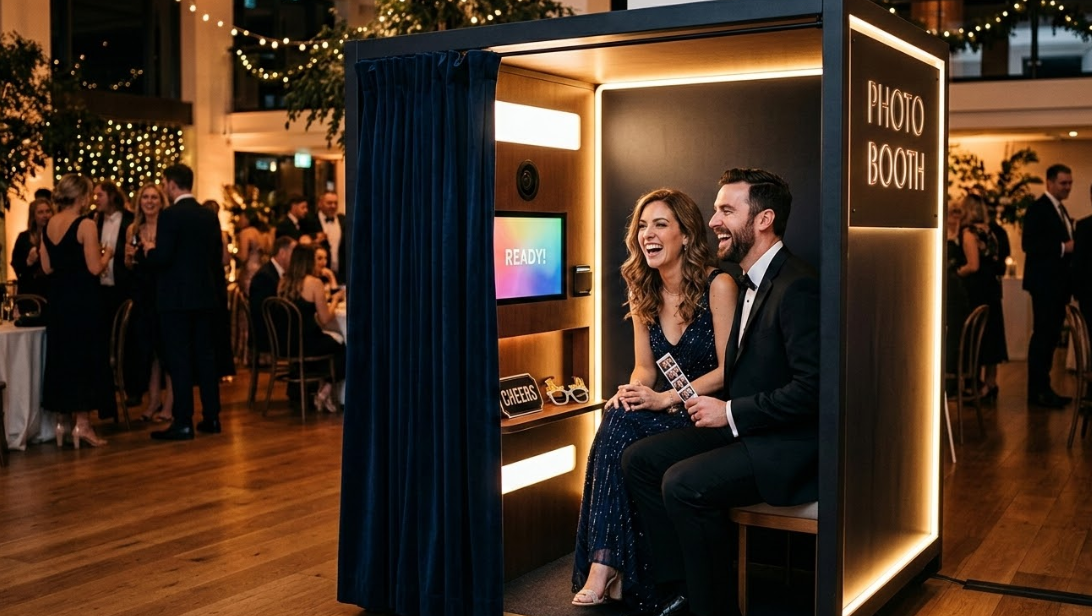
Interactive photo experiences are one of the most reliable formats for delivering that individual moment at scale. When a guest walks away with a piece of branded content they actually want, they become a voluntary distributor of your message to their personal network, which is worth more than most paid media placements at the same cost.
For a deeper look at how AI-powered photo technology is elevating what's possible within brand activations, check out this guide on the best AI photo booth smart features for modern events.
Things To Know Before Planning a Brand Activation
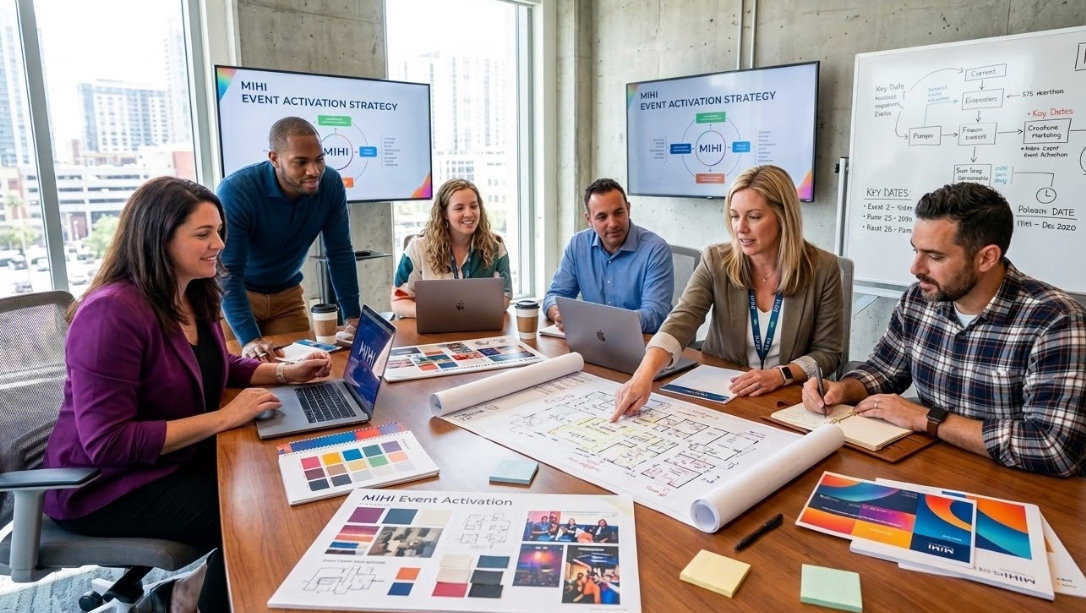
Brand activations involve more moving parts than standard event setups, and the ones that fall flat almost always do so because of planning gaps rather than bad concepts. These are the foundations worth getting right before anything else.
-
Anchor everything to one primary goal. Trying to accomplish brand awareness, lead capture, product trial, and social amplification simultaneously dilutes every outcome. Pick the goal that matters most for this specific event and build the entire experience around delivering it exceptionally well.
-
Know your audience before you design the experience. A gamified leaderboard activation works brilliantly for a young tech audience and lands flat with senior executives at a formal gala. The best brand activation ideas are always calibrated to the specific people who will be experiencing them.
-
Budget for design and production separately. The concept is one cost. The physical or digital production of branded materials, wraps, templates, and interfaces is another. Many first-time activation planners underbudget the production side and end up with a great idea executed with generic assets.
-
Plan your content capture strategy. Who is capturing high-quality photos and video of the activation itself for your brand's own use? Guest-generated content is valuable but inconsistent. Having a dedicated photographer or videographer capturing the activation from a brand perspective gives you polished assets for post-event marketing.
-
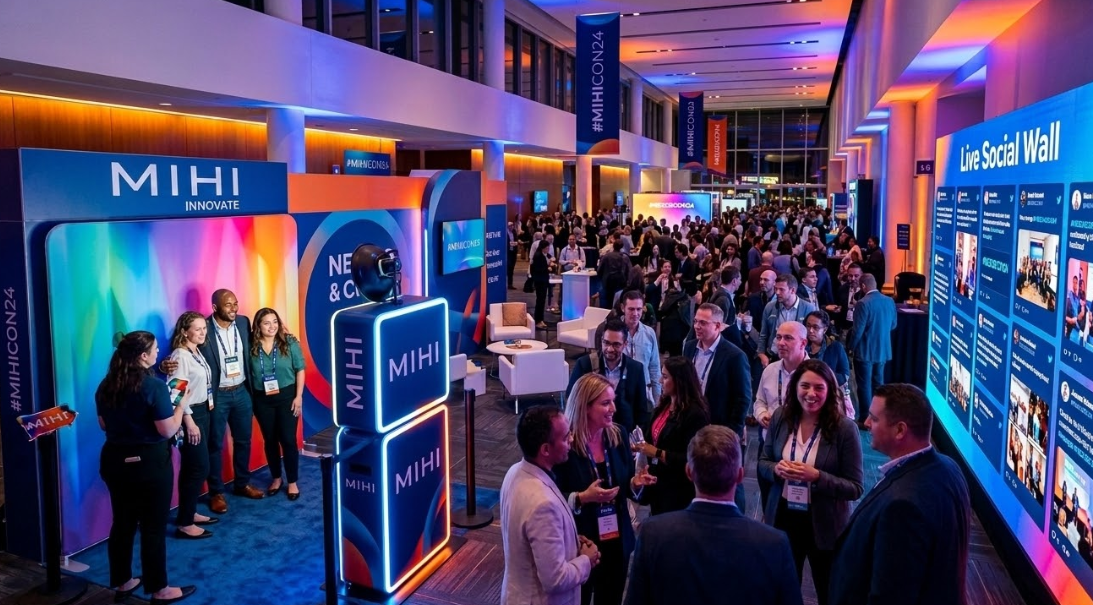
Build in a sharing mechanism. Don't assume guests will share. Build a specific, low-friction pathway, a QR code, a pre-populated caption, a social wall, a hashtag displayed prominently, that makes sharing the obvious and easy next step after engaging with your activation.
-
Measure before, during, and after. Define your KPIs before the event so you know what data to collect. Social impressions, email captures, session volume, and brand sentiment surveys all tell different parts of the story.
The Best Brand Activation Ideas by Event Type
Not all brand activation ideas work equally well across every event format. The strongest activations are chosen with the specific event context in mind. Here's a breakdown of which concepts perform best where.
|
Event Type |
Top Activation Concept |
Why It Works |
|
Trade shows |
Branded AI photo booth with email capture |
Drives foot traffic and collects warm leads simultaneously |
|
Product launches |
360 photo booth with product-themed backdrop |
Cinematic branded video is inherently shareworthy |
|
Corporate conferences |
Live social wall with roaming photo attendant |
Covers the full venue and amplifies real-time engagement |
|
Influencer events |
Glambot slow-motion station |
Creates high-quality content creators actually want to post |
|
Consumer pop-ups |
Green screen booth with rotating campaign backgrounds |
Flexible, high-volume, endlessly customizable |
|
Internal company events |
Gamified booth competition with department leaderboard |
Drives participation and reinforces team culture |
|
Charity galas |
Custom trading card or sketchbot art station |
Unique physical takeaway guests genuinely value |
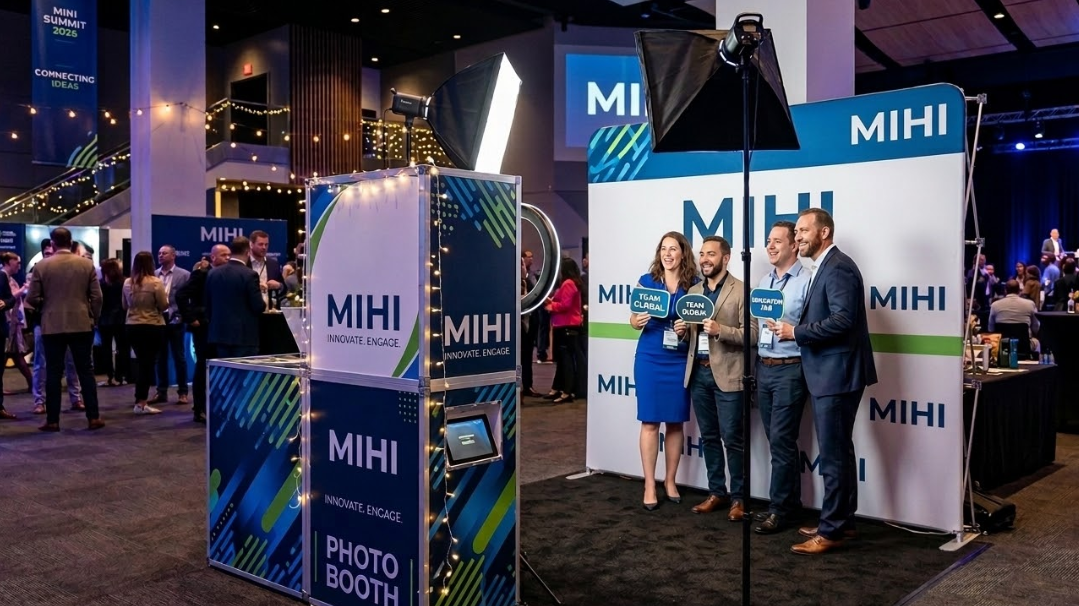
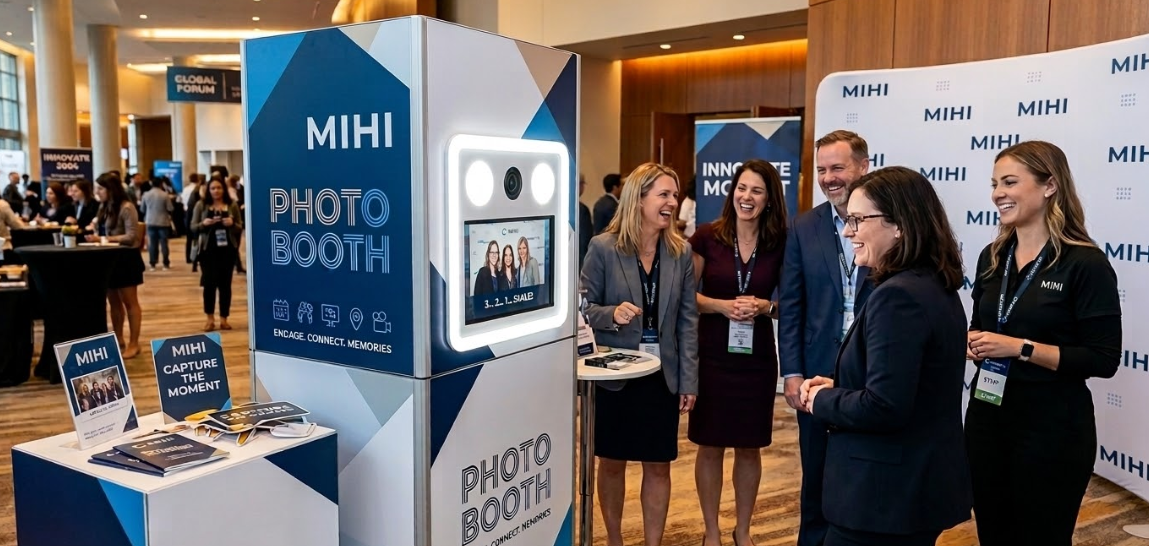
Trade shows deserve special attention because the activation challenge there is more acute than at almost any other event type. Your brand is competing for attention with dozens or hundreds of other exhibitors simultaneously. A well-executed AI photo booth creates a visible destination on the show floor that draws foot traffic from across the hall. The AI-generated output gives guests something genuinely novel to share, and the email capture built into the delivery flow turns entertainment into a measurable lead generation tool.
For product launches where the goal is pure shareability and brand association, a 360 photo booth delivers cinematic slow-motion video that guests are actively excited to post. When that video carries your product imagery, launch campaign visuals, or branded lower-third overlay, every share extends your launch reach organically into audiences you couldn't have reached through paid media alone.
Photo-Driven Brand Activation Ideas Worth Exploring
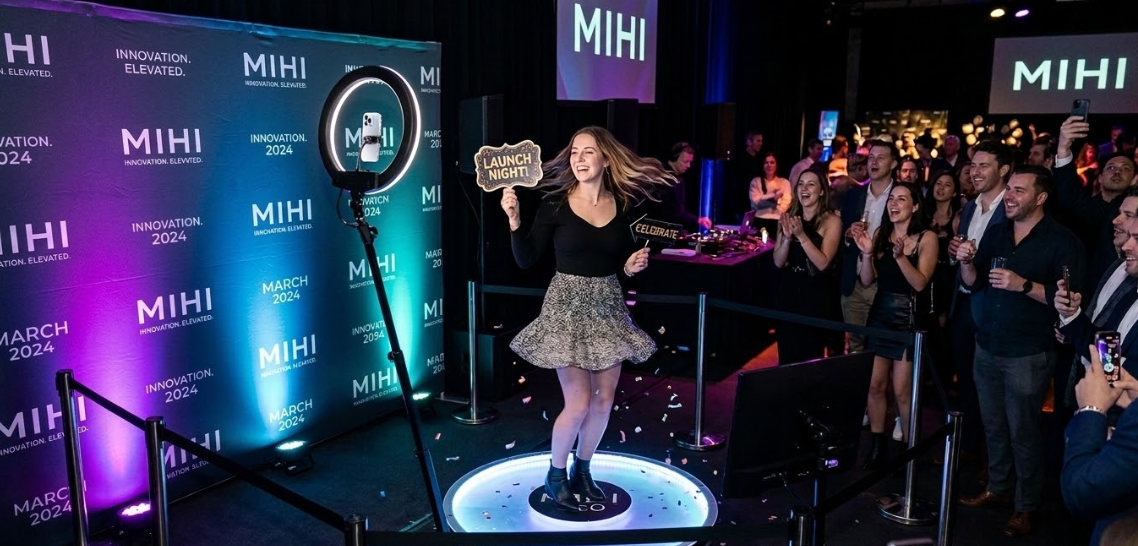
Photo and video experiences are consistently among the highest-performing brand activation formats because they produce a tangible deliverable that guests want to keep and share. Here are specific concepts worth considering depending on your brand's personality and event goals.
The AI portrait station is one of the strongest brand activation ideas in the market right now for technology and innovation-focused brands. Guests step up, take a photo, and receive an AI-generated artwork version of themselves styled to reflect your campaign aesthetic. The output is unique to each guest, which drives sharing because people genuinely want to show others something they've never seen before. Pair it with a glambot photo booth for luxury brands where the cinematic quality of the output needs to match a premium brand positioning.
The roaming content creator setup works beautifully at cocktail hours, networking events, and large conferences where a fixed booth only reaches a fraction of the audience. A skilled attendant moving through the crowd with a professional camera and portable light captures candid, authentic moments that feel editorial rather than promotional. Guests receive their images instantly by text, and the branded overlay on every photo means your identity travels with every share. Read more about how the best roaming photo booth rental creates exactly that kind of fluid, full-venue coverage.
The custom trading card station is a creative physical takeaway format that performs exceptionally well at sports brand activations, gaming events, collector-focused experiences, and any context where novelty and personalization are priorities. Guests leave with something genuinely collectible rather than a generic branded print they'll throw away, which dramatically increases the likelihood that your brand stays visible in their environment long after the event ends.
How to Execute a Brand Activation From Concept to Close
Great brand activation ideas are only as good as their execution. Here's a practical sequence for taking a concept from initial brief to post-event debrief.
Start with a written activation brief that captures your primary goal, target audience profile, key brand messages you want communicated, budget range, and success metrics. Sharing this brief with vendors during the selection process produces dramatically more relevant proposals than a vague request for a quote.
Choose your activation format based on the brief, not on what's trending. Trends are worth knowing, and we'll cover them below, but the format that aligns most directly with your goal will always outperform a trendier format that's a partial fit.
Conduct a site visit or detailed venue consultation before finalizing your setup. Power access, ceiling height, floor surface, WiFi availability, and natural traffic flow all affect how an activation performs in a specific space. The best activation concept executed in the wrong location underperforms a simpler concept in the right one.
Brief everyone involved, including your own team, on what the activation is, how it works, and what guests should do. Staff who understand the experience can encourage participation naturally during conversation rather than waiting for guests to discover it independently. That proactive approach consistently doubles participation rates.
Capture performance data throughout the event and debrief within 48 hours while observations are still fresh. Comparing actual participation volume, social share rate, and lead capture numbers against your pre-event KPIs gives you the basis for a meaningful ROI assessment and a stronger brief for your next activation.
For events where branded creative output needs to extend beyond photography, the post on the best sketchbot draw me photo booth for modern AI drawing at events covers a robotic art format that pairs exceptionally well with photo activations to create a multi-station brand experience.
How Much Do Brand Activations Cost?
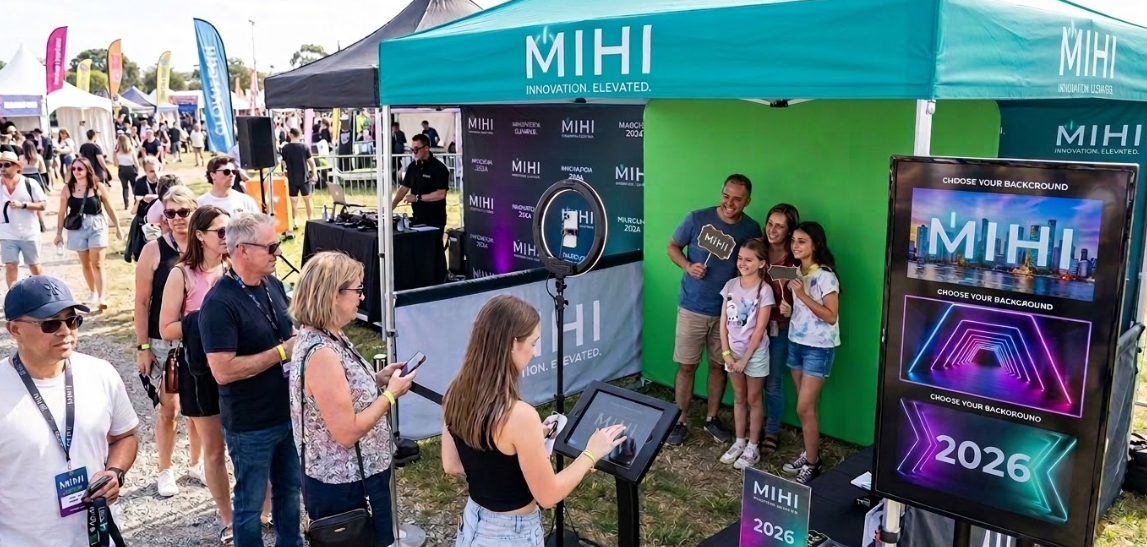
Activation budgets vary enormously based on the format, production quality, duration, staffing, and custom design work involved. Here's a realistic framework for planning purposes.
Entry-level branded photo activations with a standard booth format, basic custom print template, and attendant service typically run between $1,000 and $1,800 for a three- to four-hour event. Mid-tier activations with fully custom exterior branding, bespoke digital interfaces, social sharing configuration, and post-event analytics generally fall between $2,000 and $4,000. Premium multi-element activations combining two booth formats, live social walls, data capture integration, and dedicated brand ambassadors can run $5,000 to $10,000 or more depending on scope and market.
Production costs for physical branded materials, including exterior vinyl wraps, custom backdrops, and printed collateral, are often underestimated in initial budgets. These can add $500 to $2,000 depending on the complexity and quantity of materials involved. Building that into your initial budget request prevents scope reduction conversations late in the planning process when design work is already underway.
For multi-day events like trade shows or touring activations, project-based pricing is more common than per-day rates. Most vendors offer meaningful discounts for multi-day engagements compared to booking individual days separately, so it's worth asking about extended engagement pricing even if your initial inquiry is for a single event.
Frequently Asked Questions
What are examples of brand activations?
Strong brand activation examples include AI photo booth stations at trade shows that capture leads while generating branded social content, 360 video booths at product launches that produce cinematic shareworthy clips, roaming photo attendants at conferences that cover the full venue, and gamified booth competitions at internal corporate events that drive participation through friendly team rivalry.
Outside of photo experiences, successful activations include product sampling stations with personalized recommendation flows, immersive brand environments where guests explore a physical space designed around a campaign theme, and live demonstration stages where experts engage small groups in hands-on product experiences. The common thread across all of them is that guests do something rather than simply observe, and they leave with either a tangible takeaway or a strong emotional memory attached to your brand.
How to do a brand activation?
Executing a brand activation starts with a clear written brief defining your goal, audience, key messages, budget, and success metrics, followed by selecting the format that most directly delivers your primary outcome, then managing every production detail from design through staffing to post-event data collection.
The most common execution failure is treating the activation as a standalone event element rather than integrating it into the broader event flow. The strongest activations are referenced by your emcee, visible from the main traffic areas, supported by staff who actively guide guests toward engaging, and connected to a sharing mechanism that extends the experience beyond the physical event space.
What are the latest brand activation trends?
The leading brand activation trends right now include AI-generated personalized content, data capture integration built into photo experiences, live social walls displaying real-time guest content, short-form video output designed for Reels and TikTok, hybrid activations that include remote audiences, and gamification mechanics that tie participation to prizes or recognition.
Sustainability-focused activations are also growing in prominence, with brands incorporating digital-only deliverables to reduce print waste and positioning that choice as part of their values messaging. The shift toward experiences that produce content guests genuinely want, rather than generic branded prints they discard, is the most significant underlying trend reshaping what brand activation ideas look like at the execution level.
What are the KPI for brand activation?
The most commonly tracked KPIs for brand activations include total session or participation volume, social media impressions and reach generated by guest shares, email or lead captures collected during the activation, branded hashtag usage, post-event brand sentiment survey scores, and cost per engaged contact.
For activations with a direct commerce component, conversion rate from engagement to purchase or trial is also tracked. The right KPI set depends entirely on your activation's primary goal. A lead generation activation should be measured primarily on email capture volume and lead quality. A brand awareness activation is better evaluated through social reach, impression volume, and sentiment data. Trying to optimize for all metrics simultaneously usually means none of them are weighted clearly enough to drive real decisions.
What are the 5 C's of branding?
The 5 C's of branding are Clarity, Consistency, Content, Connection, and Community, each representing a different dimension of how a brand builds recognition and loyalty with its audience over time.
Clarity means your brand's purpose, values, and positioning are immediately understandable. Consistency means your visual identity and tone of voice are applied reliably across every touchpoint. Content means you're producing material that is genuinely useful or engaging to your audience rather than purely promotional. Connection means you're building real emotional resonance rather than transactional relationships. Community means your brand fosters a sense of belonging among its most engaged audience members. A well-executed brand activation touches all five of these dimensions simultaneously, which is a large part of why the format delivers outsized returns compared to passive marketing channels.