Event entertainment ideas that genuinely land share one quality above everything else: they give guests something to do, feel, and remember rather than simply something to watch. The best entertainment at any gathering is interactive, personal, and produces a moment or a takeaway that extends the memory of the event long after the venue clears out.
Whether you're planning a corporate conference, a wedding reception, a birthday milestone, a brand activation, or a school event, this guide walks you through the entertainment concepts that consistently perform across different event types, how to match the right experience to your specific audience, what the current trends look like, and how to build an entertainment strategy that serves your event's goals rather than just filling time between the meal and the dancing.
Why Most Event Entertainment Falls Flat
The most common mistake in event entertainment planning is choosing activities based on what's been done before rather than what will genuinely excite the specific people attending this specific event. Generic entertainment, the kind that appears at every event in the same category without variation, produces a baseline of participation but rarely generates the moments of genuine delight that guests remember and talk about.
The second most common mistake is treating entertainment as a single activity rather than an environment. The most memorable events aren't built around one big experience that everyone does once. They're built around a collection of engagement opportunities that guests discover, return to, and share with each other throughout the entire event, not just during a designated entertainment window.
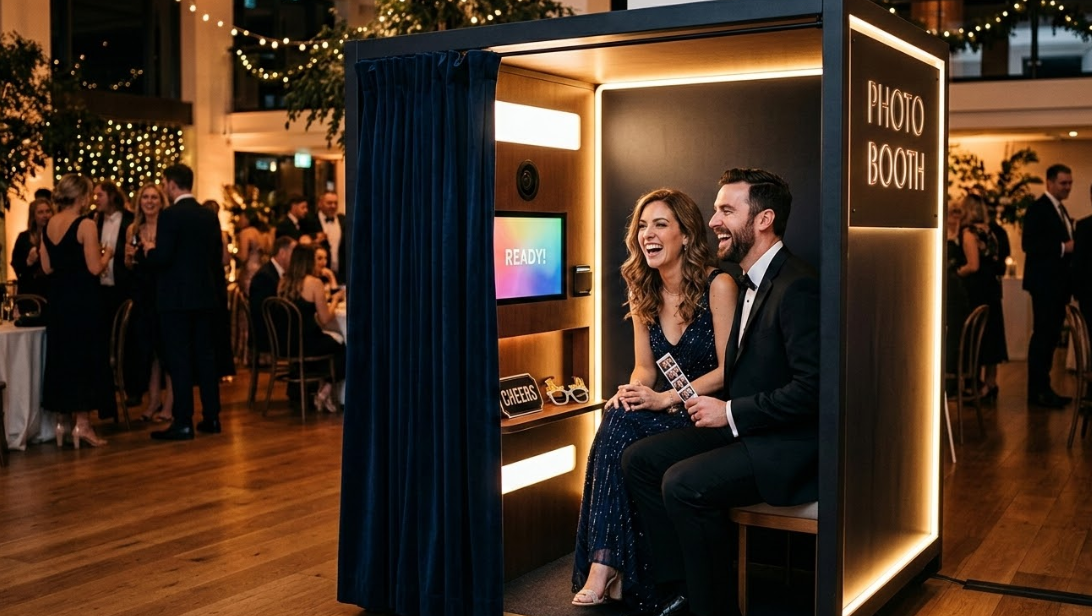
Photo booth experiences are consistently among the highest-performing entertainment formats specifically because they combine interactivity, instant gratification, and a tangible takeaway in a format that works across every demographic simultaneously. A grandmother and a college student both understand how to enjoy a photo booth, which is genuinely rare among entertainment options at mixed-audience events.
The right entertainment strategy starts with understanding what you want guests to feel and do, not just what you want them to see. That distinction shapes every decision from format selection to vendor briefing to physical placement within the event layout.
For a look at how photo booth technology specifically has evolved into one of the most versatile entertainment and engagement tools available across event types, this guide on the best AI photo booth smart features for modern events is worth reading alongside this one.
Things To Know Before Planning Your Event Entertainment
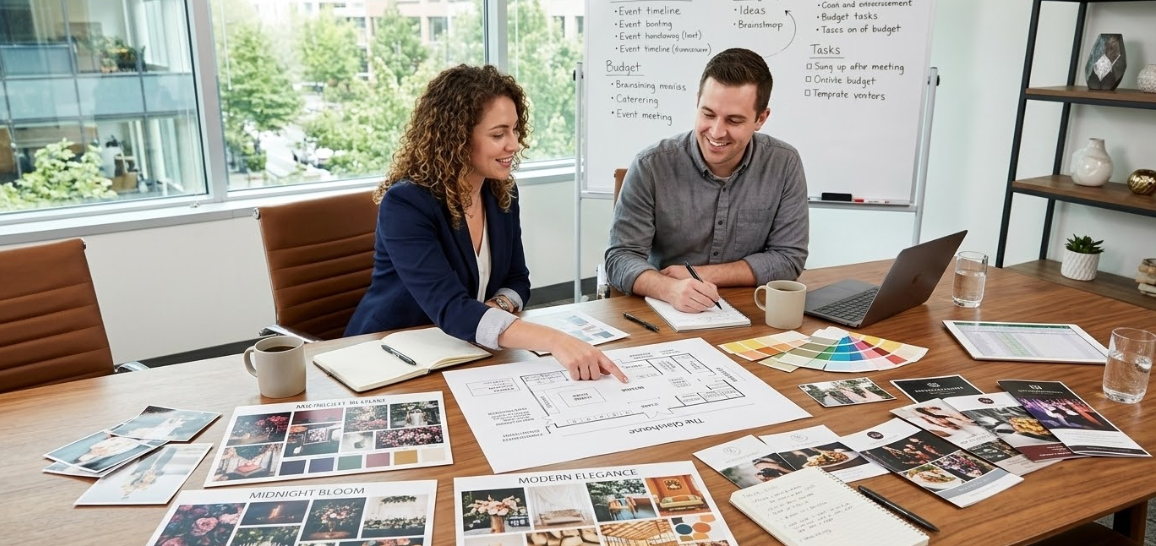
Strong event entertainment doesn't happen by accident. The events that look effortlessly fun are almost always the result of deliberate planning decisions made well in advance. These are the foundations worth getting right before you commit to any specific entertainment format.
-
Know your audience before you select your entertainment. The format that generates enormous enthusiasm at a millennial birthday party lands completely differently at a senior corporate gala. Map out who is actually attending, their age range, energy level, familiarity with each other, and what kind of participation they're likely to find comfortable before evaluating any specific entertainment option.
-
Entertainment should serve your event's emotional goal. A wedding reception entertainment strategy built around creating warmth and intimacy calls for different choices than a product launch activation designed to generate social media content at scale. Define the emotional outcome you're building toward first, then work backward to the entertainment formats that deliver it.
-
Placement within the event layout is as important as the entertainment itself. The best entertainment concept hidden in a poorly trafficked corner of the venue underperforms a simpler concept positioned where guests naturally circulate. Think about where guests spend the most time and move most freely, and build your entertainment strategy around those areas rather than the spaces most convenient for setup.
-
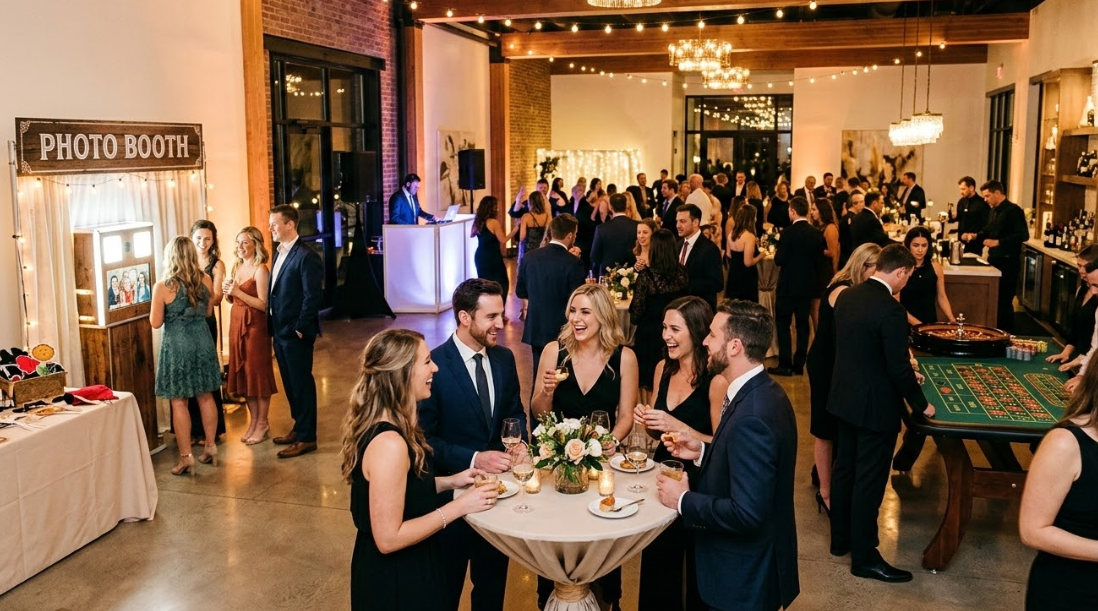
Variety serves mixed audiences better than a single focal experience. Events with multiple simultaneous entertainment options, rather than one sequential activity everyone does together, allow guests to self-select into the experiences that suit them best. This produces higher overall participation rates and a more organic, less choreographed energy.
-
Budget for quality over quantity. Three excellently executed entertainment experiences consistently outperform six mediocre ones. Guests notice the difference between a vendor who takes genuine pride in their setup and one going through the motions, and that difference shapes how they remember the entire event.
-
Brief your vendors on the event context. An entertainment vendor who knows the event format, the guest demographic, the program timeline, and the host's priorities is significantly better positioned to deliver a great experience than one who shows up with a standard setup and no event-specific context.
The Best Event Entertainment Ideas by Gathering Type
Matching entertainment to your event type and audience is the single most important decision in your planning process. Here's how the strongest options map across the most common event categories.
|
Event Type |
Top Entertainment Ideas |
Why It Works |
|
Corporate conferences |
AI photo booth, live social wall, sketchbot station |
Branded, shareable, drives networking and engagement |
|
Weddings |
360 photo booth, glambot, roaming photo attendant |
Covers every part of the evening across different spaces |
|
Birthday milestones |
Slow motion booth, themed photo station, live music |
High energy, personal, produces content guests share |
|
Brand activations |
AI portrait station, 360 video booth, custom trading cards |
Turns every guest into a branded content creator |
|
School events and prom |
Open-air themed booth, slow motion booth, photo station |
Accessible, high-throughput, produces shareable content |
|
Charity galas |
Glambot, roaming attendant, live artist or caricaturist |
Elevated and memorable without feeling frivolous |
|
Holiday parties |
Themed enclosed booth, cookie decorating, photo station |
Nostalgic, interactive, works across age groups |
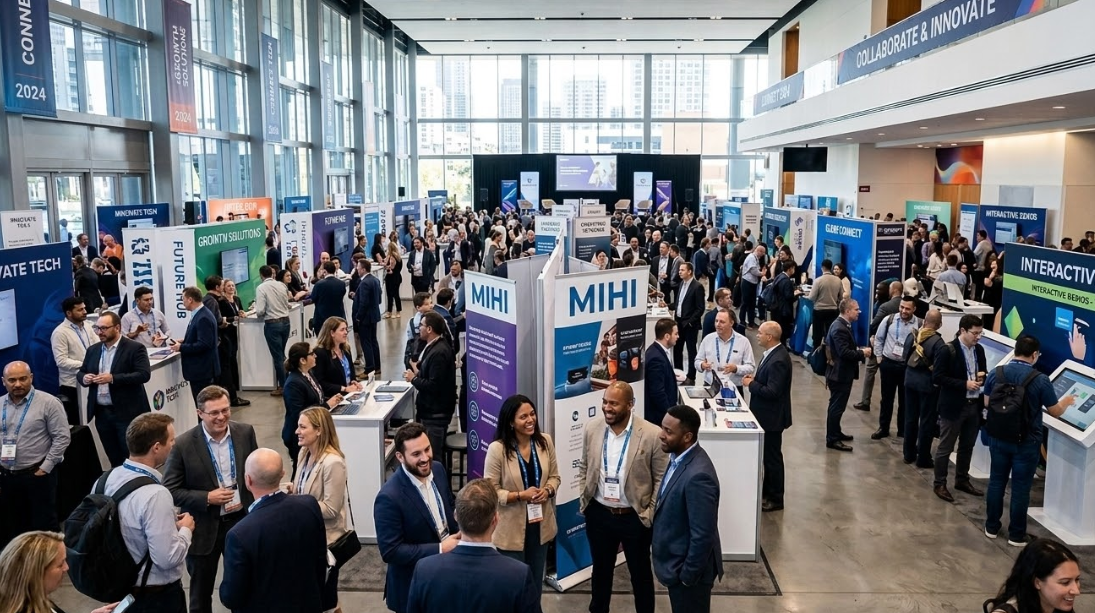
Corporate conferences deserve particular attention because the entertainment challenge there is more nuanced than at social events. Attendees are professional, often meeting each other for the first time, and naturally resistant to entertainment formats that feel forced or undignified. Photo-based entertainment works especially well in this context because it's opt-in, low-pressure, and produces a tangible branded keepsake that feels like a genuine value add rather than a gimmick.
For weddings, the most successful entertainment strategies distribute experiences across the full timeline of the event rather than concentrating everything in a single window. A 360 photo booth anchoring the reception area, a roaming photo attendant covering the cocktail hour, and a glambot photo booth creating cinematic slow-motion moments during the peak of the dancing gives guests entertainment that feels organically woven into the evening rather than scheduled as a separate activity.
Photo Booth Entertainment Ideas Worth Exploring Right Now
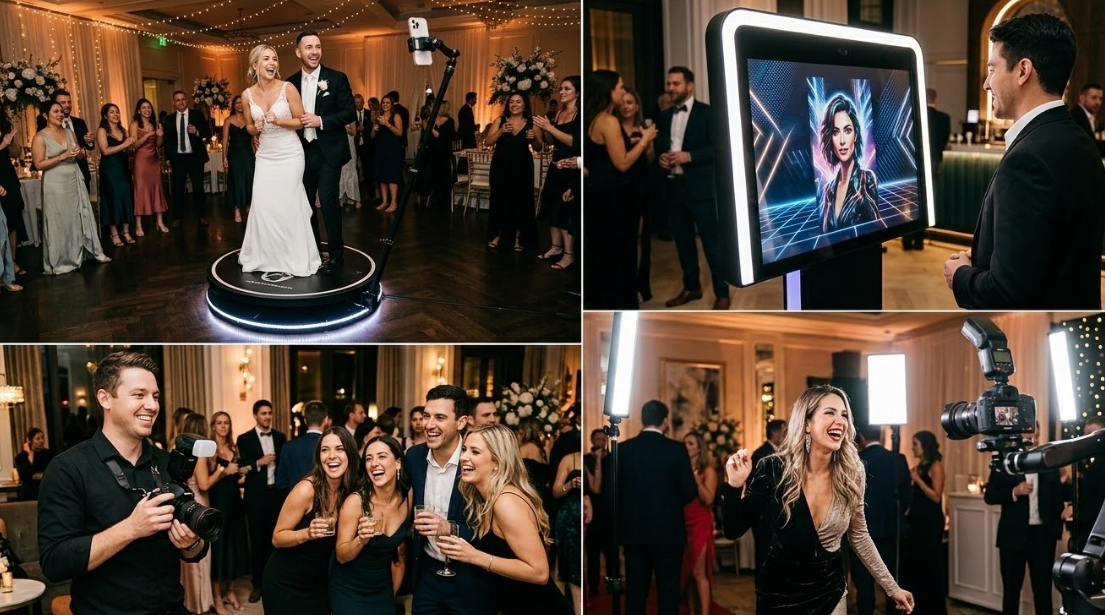
Photo and video experiences anchor the entertainment landscape at events across virtually every category right now, and the range of formats available means there's a genuinely compelling option for every event type, audience, and budget level.
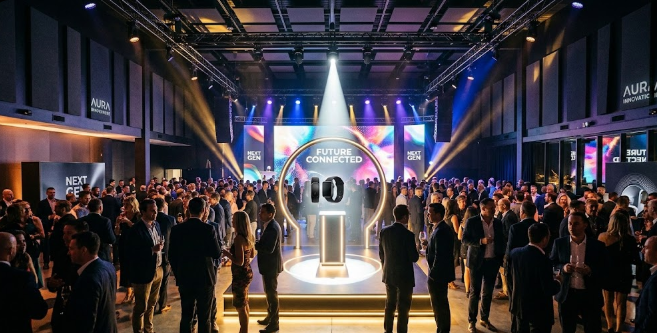
The AI portrait station is one of the most consistently talked-about entertainment experiences available for events in 2026. Guests step up, take a photo, and receive a one-of-a-kind AI-generated artwork version of themselves styled to match the event's visual aesthetic or campaign theme. The novelty of receiving something unique that nobody else at the event has drives an organic sharing impulse that most entertainment formats simply can't replicate. For brand activations specifically, pairing an AI photo booth with a live social wall that displays guest creations in real time turns the entertainment experience into a visible, crowd-drawing spectacle.
The slow motion video booth has become a staple at birthday parties, prom events, and social gatherings specifically because the format is inherently fun rather than just documentary. Guests perform an action, whether that's confetti throwing, jumping, laughing, or dancing, and receive a beautifully rendered slow-motion clip that plays back like a highlight reel from a much more elaborate production. The video format performs exceptionally well on Instagram Stories and TikTok, which means every guest who shares their clip extends the event's reach into their personal network at no additional cost to the host.
The custom trading card booth is an entertainment format worth knowing about specifically because the physical takeaway it produces is genuinely collectible rather than disposable. Guests leave with a personalized trading card featuring their photo and event-specific design elements that they actually want to keep, display, and show other people. For sports brand events, gaming activations, and any gathering where the guest audience has a collector's sensibility, this format consistently outperforms standard print strip options on perceived value and post-event brand recall. Read more about how the best custom trading card photo booth creates exactly that kind of memorable physical takeaway.
How to Build an Entertainment Strategy Around a Central Experience
Most events benefit from having one anchor entertainment experience that serves as the primary draw and a supporting cast of secondary activities that complement it and fill the gaps. Building that structure deliberately rather than booking entertainment as separate unrelated line items produces a more cohesive guest experience and better overall participation rates.
Start by identifying your anchor experience. This is the entertainment element you want guests to actively seek out, wait for, and tell other people about during the event. For most events, this is a photo or video booth format because it combines high participation potential with a tangible takeaway that guests genuinely value. The specific format, whether that's a 360 setup, an AI portrait station, a glambot, or an enclosed vintage-style booth, should be chosen based on your event's emotional register and guest demographic rather than simply on what's most visually impressive.
Build your secondary entertainment around the gaps the anchor experience creates. An anchor photo booth positioned in the main event space still leaves the cocktail hour underserved, which is exactly where a roaming photo attendant fills the gap. A fixed booth that handles groups of two to four guests at a time leaves larger family groups looking for a place to take a collective photo, which is where an open-air setup with a wider frame solves the problem. Think about the guest experience across the entire event timeline and map your secondary entertainment to the moments and spaces the anchor doesn't reach.
Connect your entertainment experiences through a consistent visual theme. When your photo booth backdrop, your print template, your prop selection, and your secondary entertainment elements all speak the same visual language, the event feels intentionally designed rather than assembled from separate vendor bookings. That sense of cohesion is what guests describe when they say an event felt special rather than just well-organized.
For events where entertainment is serving a brand activation purpose alongside its guest engagement function, the post on best corporate photo booth activation covers how to build an entertainment strategy around measurable brand outcomes rather than purely guest enjoyment.
Current Trends Shaping Event Entertainment in 2026
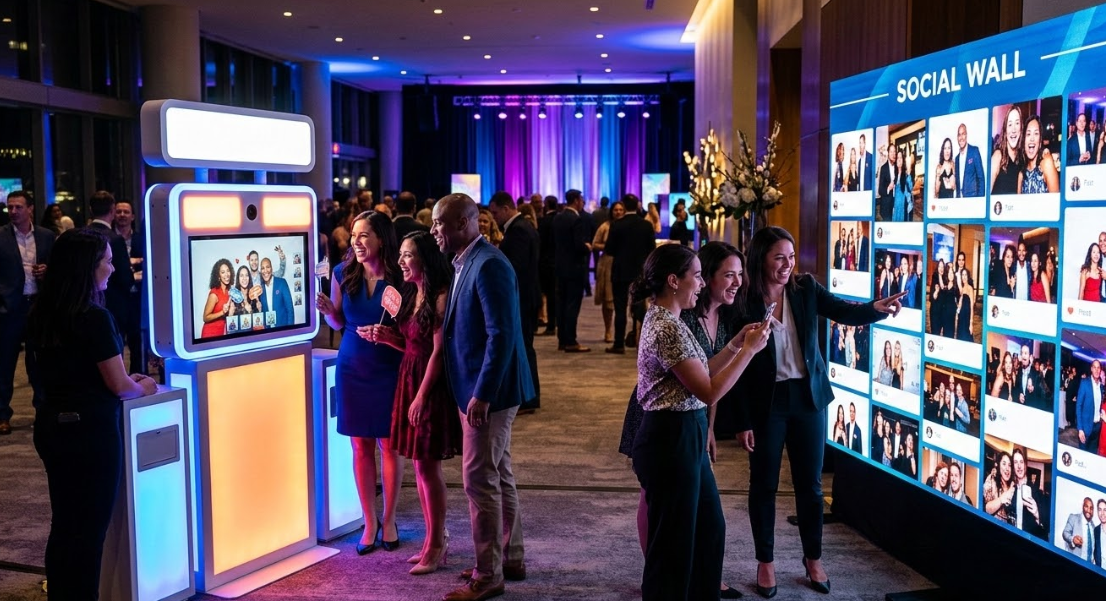
The event entertainment landscape is moving faster than it has at any point in the past decade, driven by guests who arrive with higher expectations, broader points of comparison, and a constant awareness of what's being shared on social media from events elsewhere. Here's what's shaping the market right now.
|
Trend |
Why It's Growing |
Best Event Application |
|
AI-generated personalized content |
Unique output drives sharing and brand recall |
Corporate activations, product launches |
|
Multi-format entertainment ecosystems |
Variety increases total participation rates |
Large weddings, conferences, galas |
|
Instant social sharing integration |
Reduces friction between experience and distribution |
All event types |
|
Gamification and participation incentives |
Competition mechanics drive engagement rates up |
Internal corporate events, team gatherings |
|
Physical and digital hybrid takeaways |
Combines tactile value with digital shareability |
Trade shows, brand activations |
|
Roaming and ambient entertainment |
Reaches guests who won't seek out fixed stations |
Cocktail hours, networking events |
The shift toward multi-format entertainment ecosystems is the most significant structural change in how premium events are being planned right now. Rather than booking one headline entertainment experience and hoping it serves the full guest list, event planners are increasingly building layered entertainment environments where guests encounter different interactive experiences organically as they move through the event space. That approach produces higher total participation rates, a more dynamic event energy, and significantly more social content generated across the evening than any single experience can produce alone.
Gamification is growing particularly fast in internal corporate event contexts where employee engagement is the primary goal alongside entertainment. Leaderboards showing which team or department has the most photo booth sessions, prize draws for guests who tag the event hashtag, and interactive challenges tied to entertainment stations all drive participation rates well above what passive entertainment achieves.
For a deeper look at how entertainment intersects with brand strategy at the activation level, the post on brand activation ideas covers the full framework for building entertainment experiences that serve measurable marketing goals alongside genuine guest enjoyment.
How Much Should Event Entertainment Cost?
Budgeting for event entertainment is most useful when you approach it as a per-guest investment rather than a total dollar figure, because the relative value of any entertainment experience is always a function of how many people it reaches and how meaningfully it engages each one.
A single photo booth rental for a three- to four-hour event typically runs between $700 and $2,000 depending on the booth format, customization level, and market. Specialty experiences like a glambot, AI portrait station, or 360 setup sit at the higher end. Standard open-air or enclosed setups land lower. When you divide the rental cost by the number of guests who will interact with the booth, most photo booth experiences deliver a per-guest entertainment cost of between $5 and $20, which compares favorably to virtually any other entertainment format available at equivalent quality.
For events building a multi-format entertainment ecosystem, budgeting each experience separately and then looking at the total per-guest cost across all entertainment elements gives you the clearest picture of overall value. An event spending $3,000 on entertainment for 150 guests is investing $20 per guest in creating memories and generating content, which is a genuinely efficient allocation compared to the same spend on decor or catering upgrades that guests are unlikely to remember with the same clarity.
Secondary entertainment elements like live caricaturists, custom cookie printers, or interactive installations vary widely in pricing but typically run between $400 and $1,500 for a comparable event window. For a look at one of the most creative secondary entertainment formats available, the cookie printer produces a branded edible takeaway that genuinely surprises guests and pairs exceptionally well with a photo booth as a complementary experience within the same event footprint.
Frequently Asked Questions
What are some entertainment ideas?
The strongest event entertainment ideas right now include AI portrait photo booths, 360 slow-motion video booths, roaming photo attendants for cocktail hours, glambot slow-motion stations for high-energy receptions, custom trading card booths, live caricature artists, interactive food experiences like custom cookie printers, and gamified participation challenges tied to social sharing incentives.
The most effective entertainment ideas for any specific event are always the ones most precisely calibrated to the guest audience and the event's emotional goals. A concept that generates enormous excitement at a millennial birthday party may feel completely out of place at a senior corporate dinner. Starting with a clear picture of who is attending and what you want them to feel consistently produces better entertainment decisions than starting with a list of available options and choosing by elimination.
What are 5 examples of entertainment?
Five strong examples of event entertainment that consistently perform across different gathering types are photo and video booth experiences, live interactive performances like caricature artists or musicians, gamified participation challenges with visible leaderboards and prizes, branded creative stations where guests make or receive something unique, and immersive themed environments that transport guests into a specific visual world.
Each of these examples works on a different dimension of guest engagement. Photo experiences deliver a tangible personal takeaway. Live performances create shared collective moments. Gamification drives participation through friendly competition. Creative stations give guests something to make or customize. Immersive environments shape how guests feel throughout the entire event rather than just during a discrete activity window. The most memorable events typically incorporate two or three of these dimensions simultaneously rather than relying on a single format.
What are the 5 C's of an event?
The 5 C's of event planning are Concept, Coordination, Control, Culmination, and Closeout, each representing a distinct phase and dimension of delivering a successful event from initial vision through post-event evaluation.
Concept covers the foundational decisions about what the event is, who it's for, and what it's meant to achieve. Coordination covers the logistics of vendors, timelines, venues, and resources needed to execute the concept. Control refers to the on-site management of the event as it unfolds, ensuring that execution matches the plan and that unexpected issues are handled without disrupting the guest experience. Culmination is the event itself, the moment all the planning delivers its intended experience. Closeout covers post-event responsibilities including vendor payments, guest follow-up, content distribution, and performance evaluation against the original goals.
What are event activities?
Event activities are the specific interactive experiences, structured programs, and engagement opportunities that give guests something to do, create, or participate in beyond passive observation during an event.
They range from formal structured activities like award presentations and coordinated group experiences to informal interactive stations like photo booths, creative installations, and food experiences that guests engage with at their own pace. The best event activities are ones that work naturally within the event's flow rather than interrupting it, produce something guests value whether that's a photo, a skill learned, a competition won, or a creative object made, and create organic social interactions between guests who might not otherwise connect.
What are some types of entertainment?
The main types of event entertainment include interactive photo and video experiences, live performance entertainment, participatory creative activities, gamified competition formats, ambient environmental entertainment, and food and beverage experiences with an interactive or theatrical element.
Interactive photo and video experiences, led by formats like AI booths, 360 setups, glambot stations, and roaming photo attendants, currently represent the strongest performers across the broadest range of event types because they combine personal engagement, instant gratification, and shareable output in a single format. Live performance entertainment creates collective moments but requires passive participation. Gamified formats drive the highest engagement rates among audiences with a competitive sensibility. Ambient entertainment shapes the overall feel of an event without requiring explicit participation, which makes it an effective complement to higher-intensity interactive formats rather than a standalone solution.