Product launch event ideas are the strategies, activations, and experiences you use to formally introduce a new product to your market in a way that generates excitement and drives real momentum. The strongest product launch event ideas go beyond a simple announcement and turn your reveal into a moment guests genuinely talk about, share online, and remember long after the event wraps.
A great launch does not just tell people about your product. It shows them. It makes them feel the energy behind what you built, connects them emotionally to your brand story, and gives them something worth sharing. That last part is more important than ever in 2025, where a single shareable moment from your event can reach thousands of people who never stepped foot through the door.
Whether you are rolling out a tech product, a new consumer brand, or a major service update, how you launch shapes how your market perceives you. This guide covers the most effective ideas, how to match them to your goals, and which options deliver the biggest return for your investment.
Why Your Product Launch Event Strategy Matters More Than You Think
A lot of companies put months into product development and then treat the launch event as an afterthought. That is a costly mistake. Research from Harvard Business School suggests that nearly 95% of new products fail to hit their commercial targets, and a significant driver of that number is poor go-to-market execution, not the product itself.
Your launch event is your first impression at scale. It sets the tone for press coverage, social media conversation, influencer perception, and early adopter behavior all at once. Companies that treat the event as a strategic tool rather than a party tend to generate stronger initial sales velocity, better media pickup, and a more loyal early customer base.
The most successful launches in recent years share a common thread: they create experiences that feel personal and immersive, not like a glorified press conference. Attendees do not just want to hear about the product. They want to touch it, try it, photograph it, and feel like they were part of something exclusive.
The Most Effective Product Launch Event Ideas Right Now
Not every launch format works for every product or audience. Here are the strongest options to consider depending on your goals and crowd.
Interactive Product Demos and Showcase Stations
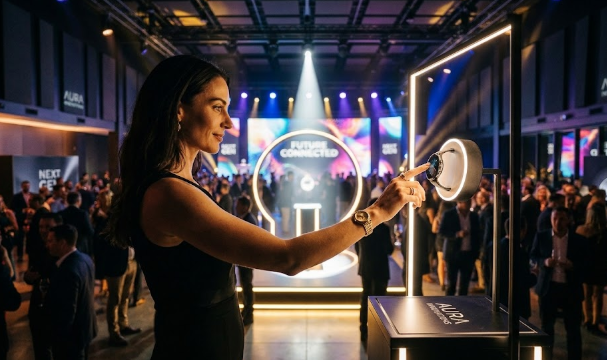
Letting attendees experience the product firsthand is consistently the most powerful launch strategy available. Rather than presenting slides or talking through features, you set up hands-on demo stations where guests can try the product themselves, ask questions directly to your product team, and form their own impressions in real time. This works especially well for tech products, software, and anything where the experience itself is the strongest selling point.
Themed Immersive Launch Parties
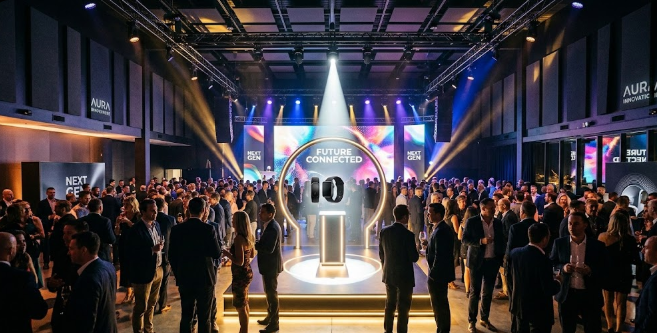
A launch party built around a theme tied directly to your product's identity does double duty. It creates a memorable atmosphere while reinforcing your brand messaging without guests even realizing it. Think about what your product stands for and let that drive every design decision, from the decor and music to the food and the entertainment. A clean, minimalist tech product launch might pair perfectly with a futuristic lounge environment, while a vibrant lifestyle brand could lean into a bold, maximalist celebration.
Photo Booth Activations
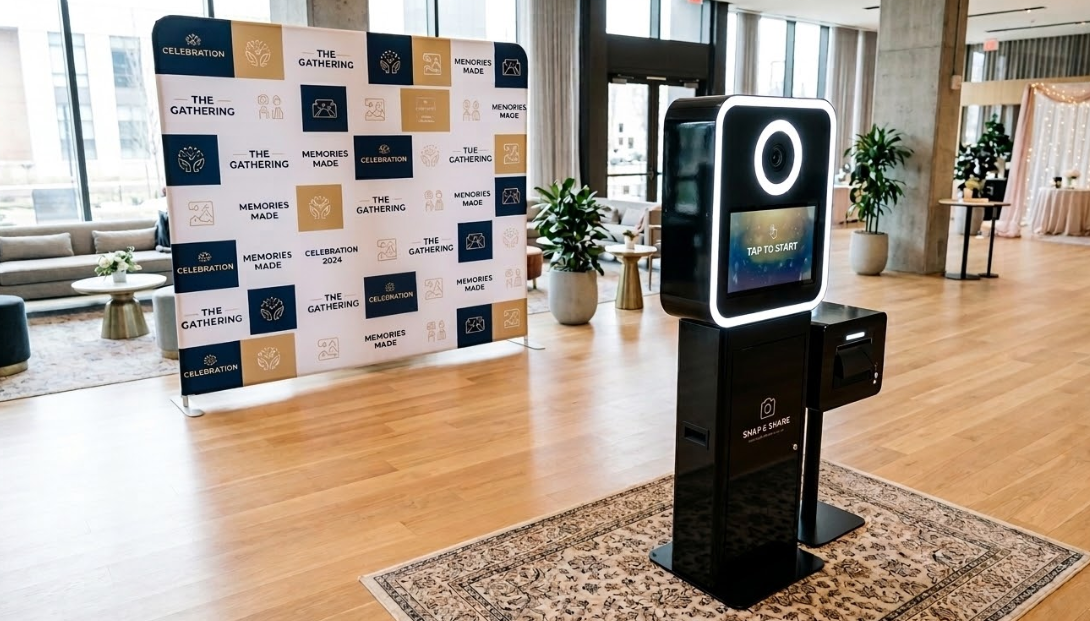
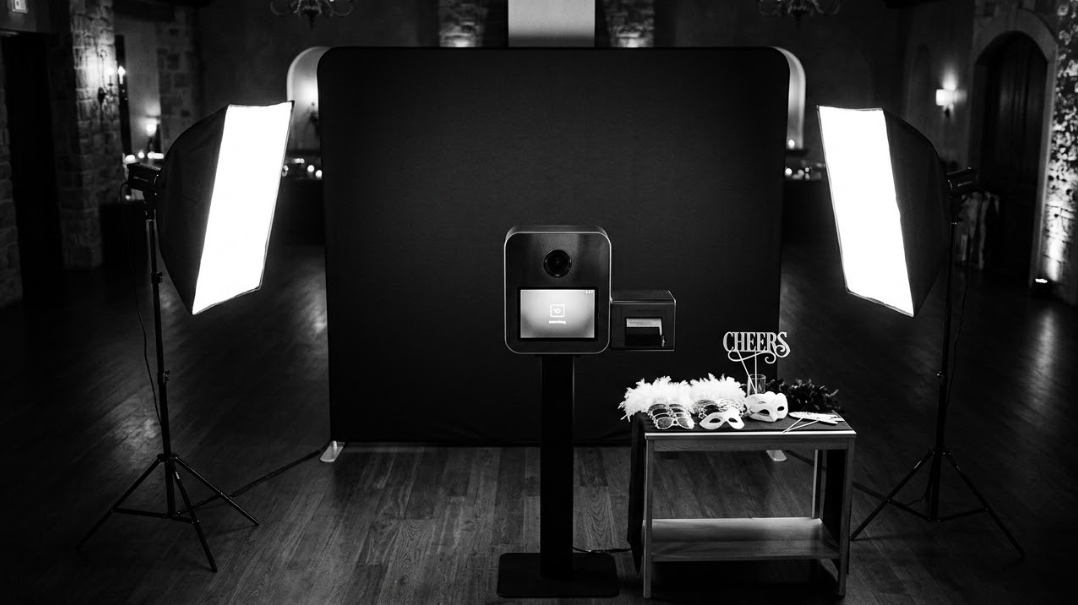
One of the most underutilized and high-impact additions to any product launch is a premium photo booth experience. The AI photo booth generates branded, personalized images guests immediately share on social media, giving your launch organic reach long after the event ends. The 360 photo booth creates cinematic slow-motion branded clips that feel like a red carpet moment and naturally become shareable content. Both options reinforce your brand identity every time a guest posts their photo, essentially turning attendees into real-time brand ambassadors.
For more on what makes these activations so effective at launches, the guide on the best AI photo booth smart features for modern events is worth reading before you finalize your entertainment plan.
Pop-Up Experiences and Unexpected Locations
Pop-up launch events generate instant curiosity and urgency because they are temporary by nature. Setting up in a high-traffic unexpected location, a rooftop, a converted warehouse, or even a busy public plaza, draws attention the same way a great window display stops people on the sidewalk. The limited-time format encourages immediate engagement and the right visual environment makes every corner Instagram-worthy, extending your reach far beyond the physical attendee count.
VR and AR Product Experiences
If your product has features that are hard to communicate verbally, virtual and augmented reality activations solve that problem in a memorable way. Guests can step into a VR experience that puts them inside a scenario where your product is solving their problem, or use AR overlays on their phones to interact with the product in a new dimension. These activations position your brand as forward-thinking and create standout moments that feel genuinely novel rather than routine.
How to Match Your Launch Format to Your Product Type
Choosing the right format is as important as the ideas themselves. What works brilliantly for a consumer beauty launch can feel completely off for a B2B software reveal. Use this framework to match your approach to your product and audience.
|
Product Type |
Best Launch Format |
Why It Works |
|
Consumer Tech |
Hands-on demo stations, AI photo booth |
Guests experience value firsthand, share branded content |
|
Beauty or Lifestyle |
Themed party, glambot, pop-up |
Visual storytelling drives social sharing and brand love |
|
B2B Software |
Keynote showcase, VR demo, panel discussion |
Demonstrates credibility and builds confidence in buyers |
|
Food and Beverage |
Tasting event, live chef demo, pop-up |
Sensory experience creates immediate emotional connection |
|
Apparel or Fashion |
Runway show, influencer activation, photo moment |
Aspirational visuals reach far beyond physical attendees |
The through line across every category is interactivity. Passive presentations lose people. The moment you give guests something to do, touch, or experience directly, their engagement level, and their willingness to share what they just experienced, jumps significantly.
Things To Know Before Planning Your Product Launch Event
Getting the strategy right means avoiding the most common pitfalls that derail launch events before they ever get momentum going.
-
Start earlier than you think you need to. Most high-impact launch vendors, from premium venue spaces to photo booth companies and production crews, book out 3 to 6 months in advance for prime dates. Waiting too long means settling for second choices.
-
Define your success metrics before you plan a single activity. Are you targeting press pickups, social media impressions, qualified leads generated, or early sales conversions? Your goal shapes every decision that follows, from the guest list to the entertainment.
-
Keep your brand story at the center. The most common mistake is treating the launch as a party first and a brand moment second. Every element, the decor, the food, the entertainment, and the activations, should reinforce the narrative behind your product.
-
Build in at least one shareable moment. A premium photo booth, a dramatic reveal sequence, or a one-of-a-kind activation gives attendees a reason to post. That organic social content is often worth more than your paid media budget combined.
-
Plan for the press and the guests simultaneously. Media attendees need access, story angles, and interview opportunities. Guests need entertainment, food, and an experience worth staying for. Both groups need to feel prioritized or you lose both.
-
Do not skip the post-event follow-up. Sending personalized follow-up content, event highlights, branded photos from the photo booth, and a thank-you note within 48 hours extends the launch's buzz cycle and keeps your product top of mind during the critical first-purchase window.
Which Product Launch Event Ideas Deliver the Strongest Results?
When budget decisions come down to choosing between options, this comparison helps you weigh impact against investment.
|
Activation |
Brand Visibility |
Social Sharing Potential |
Budget Level |
Best Launch Type |
|
AI Photo Booth |
Very High |
Excellent |
Mid to High |
All product types |
|
360 Photo Booth |
Very High |
Excellent |
Mid to High |
Lifestyle, fashion, tech |
|
Interactive Demo Station |
High |
Moderate |
Mid |
Tech, software, tools |
|
Themed Immersive Party |
High |
High |
High |
Consumer brands |
|
VR or AR Experience |
High |
High |
High |
Tech, automotive |
|
Pop-Up Event |
Moderate to High |
Very High |
Variable |
Consumer, lifestyle |
Photo booth activations consistently outperform other single-investment entertainment choices because they run throughout the entire event, require no ongoing facilitation once set up, and generate branded social content automatically every time a guest participates. Pairing one with a dramatic live product reveal gives you both the centrepiece moment and the sustained engagement engine in a single event.
For events built around unique entertainment concepts, also look at the vogue photo booth for a high-fashion editorial angle that naturally aligns with premium brand positioning.
How to Build Your Launch Event Step by Step
Bringing your product launch event ideas together into a cohesive execution plan takes structure. The most effective approach moves through a clear sequence rather than tackling everything at once.
-
Lock your objective and target audience first. Every other decision flows from these two things. A launch built for press and investors looks very different from one built for direct consumers or retail buyers.
-
Choose your format based on your product and crowd. In-person, virtual, hybrid, or pop-up? Each has trade-offs around reach, cost, and intimacy that matter depending on what stage your brand is at.
-
Build a narrative arc for the event. Think of the evening as a story with a beginning, a peak, and a close. The product reveal should be your centrepiece moment, not the opener and not the finale.
-
Select entertainment that reinforces your brand identity. Live music, photo booth activations, interactive demos, and themed decor all need to feel like they belong to the same world as your product, not like generic add-ons.
-
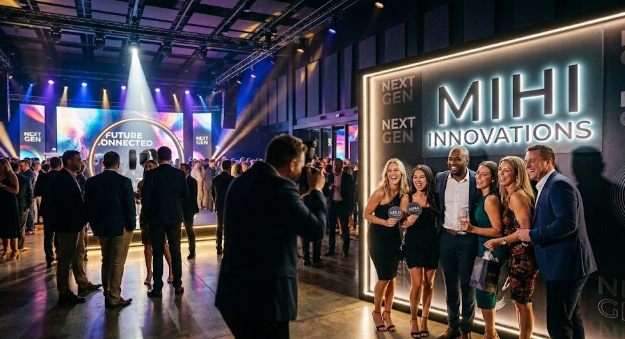
Create at least two distinct shareable moments. The product reveal itself is one. An interactive activation like a photo booth or a branded experience station is the second. These two moments between them will generate the majority of your organic social coverage.
-
Brief every vendor on your brand story. Not just on logistics. Vendors who understand what you are launching and why it matters will deliver experiences that feel intentional and cohesive rather than transactional.
-
Plan your post-event outreach before the event happens. Decide how you will follow up with press contacts, attendees, and social media leads within 48 hours so you can execute quickly while the buzz is still fresh.
For a deeper look at how entertainment activations work across different event formats, the guide on how to create the ultimate fan experience for Super Bowl LIX offers practical inspiration on building high-energy immersive moments, and the best robot photo booth rental is worth exploring if you want a truly conversation-starting activation at your next reveal.
Making Your Product Launch Event Ideas Count
The right product launch event ideas do not just generate buzz on the night. They shape how your product is perceived for months afterward, giving your sales team better conversations to have, your press contacts stronger stories to tell, and your early customers a sense that they were part of something worth being part of.
The brands that consistently launch well invest in three things: a clear story, an immersive experience, and at least one activation that guests are compelled to share. Get those three right and your launch becomes a marketing asset that keeps working long after the last guest has left the room.
FAQs About Product Launch Event Ideas
How to do a product launch event?
Start by defining your goal and target audience, then build a themed experience around your product reveal with interactive demos, entertainment, shareable activations, and a clear post-event follow-up plan. A successful product launch event follows a logical sequence. You define what success looks like before you plan a single activity, then choose a format, venue, and experience design that serves that goal. The event itself should have a narrative arc, with the product reveal as the centrepiece and entertainment activations like a photo booth or hands-on demo stations running throughout. Follow up within 48 hours with branded content and personalized outreach to extend the buzz cycle beyond the event itself.
What are the 5 P's of event planning?
The 5 P's of event planning are Purpose, People, Place, Program, and Price. Each P covers a different dimension of the planning process. Purpose is the reason the event exists and the goal it needs to achieve. People refers to your target audience, stakeholders, speakers, and team. Place is your venue and how it aligns with your brand and guest experience. Program covers everything happening during the event, your entertainment, speakers, demos, and reveal sequence. Price is your budget framework and how it is allocated across all activities. For product launches, Purpose and Program tend to be the most decision-heavy because they shape everything from the entertainment to the venue selection.
What are the 7 steps of product launch?
The 7 steps of a product launch are market research, audience definition, brand positioning, go-to-market strategy, content and asset creation, launch execution, and post-launch analysis. Each step builds on the last. Market research validates demand and identifies your competitive landscape. Audience definition clarifies exactly who you are speaking to and why they should care. Brand positioning sets your product apart with a clear narrative. Go-to-market strategy determines your channels, pricing, and distribution approach. Content and asset creation produces everything from press kits to social media campaigns. Launch execution is the event and announcement itself. Post-launch analysis measures what worked, captures feedback, and shapes the next phase of promotion.
What makes a good launch event?
A good launch event combines a compelling product reveal, genuine interactivity, at least one shareable moment, and an experience that reinforces the brand story from arrival to exit. The best launch events feel intentional in every detail. Guests should understand what the product is and why it matters within the first few minutes, then spend the rest of the evening experiencing it rather than hearing about it. Entertainment that reflects the brand personality, such as a tech-forward photo booth activation for an innovation brand or an immersive theme for a lifestyle product, makes the whole experience feel cohesive rather than assembled from a generic events checklist. The moment guests want to photograph and share something is the moment your launch extends beyond the room.
What are the 5 C's of an event?
The 5 C's of an event are Concept, Coordination, Control, Culmination, and Closeout. Concept is the foundational idea behind the event, the theme, purpose, and target audience. Coordination covers all the logistics, timelines, vendor management, and operational details that bring the concept to life. Control is about monitoring execution in real time, managing contingencies, and keeping the event on track as the day unfolds. Culmination is the event itself, the moment everything planned comes together for the attendees. Closeout is the post-event phase where you gather feedback, settle vendor contracts, analyze performance metrics, and extract lessons for your next launch. For product launches, the Concept phase is where your biggest decisions happen, because everything downstream depends on having a sharp, clear vision of what the event is meant to achieve.