The best photo booth machine for any event or business is the one that matches your guest experience goals, output format preferences, and operational requirements without overcomplicating the setup or exceeding your practical budget. Whether you're planning a single corporate activation or building a rental business from the ground up, understanding what separates an average machine from an exceptional one changes every purchasing and rental decision you'll make.
Photo booth technology has moved extraordinarily fast over the past several years. What counted as a premium setup just five years ago now sits firmly in the mid-tier category, and the gap between consumer-grade equipment and professional event-quality machines has never been more visible in the final output. Guests at today's events have high expectations shaped by social media, and the machine behind their photo experience either meets those expectations or quietly disappoints them in ways they remember even when they don't mention it.
What Separates a Great Photo Booth Machine From an Average One
Walking through a trade show floor or scrolling through rental listings gives the impression that all photo booth machines are roughly equivalent pieces of hardware with different casings. That impression is wrong in almost every measurable way. The differences between machines at different quality and price tiers show up consistently in three areas: image quality, software reliability, and guest experience flow.
Image quality comes down to the camera and lens combination inside the machine, the quality of the lighting built into or paired with the unit, and the printer specifications for units that produce physical output. A machine running a consumer-grade DSLR produces noticeably different results than one built around a medium-format mirrorless system, and guests can see that difference in their photos even if they can't articulate exactly why one looks better than the other.
Software reliability determines whether the event runs smoothly or requires constant attendant intervention. Machines running stable, purpose-built event software that handles touchscreen input, template selection, social sharing, and printer queue management without crashing mid-event are worth significantly more than hardware-equivalent units running unstable or poorly optimized software. The best machines handle a full evening of heavy use without a single restart.
Guest experience flow covers everything from how intuitive the interface is to how quickly the machine processes and delivers output. A machine that produces beautiful photos but takes ninety seconds to deliver them creates a bottleneck that generates frustration rather than excitement, especially at high-traffic events where a long line builds quickly.
|
Machine Quality Tier |
Camera System |
Software Stability |
Output Speed |
Typical Use Case |
|
Consumer grade |
Entry-level DSLR or webcam |
Basic, frequent crashes |
Slow, 60 to 90 seconds |
Home events, very small gatherings |
|
Mid-range professional |
Quality DSLR, decent lens |
Stable with occasional issues |
Moderate, 30 to 60 seconds |
Small corporate, parties |
|
High-end professional |
Mirrorless or top DSLR system |
Highly stable, purpose built |
Fast, under 30 seconds |
Large events, rental business |
|
Premium experiential |
Cinema or broadcast quality |
Enterprise grade, near flawless |
Instant digital, fast print |
Brand activations, high-volume events |
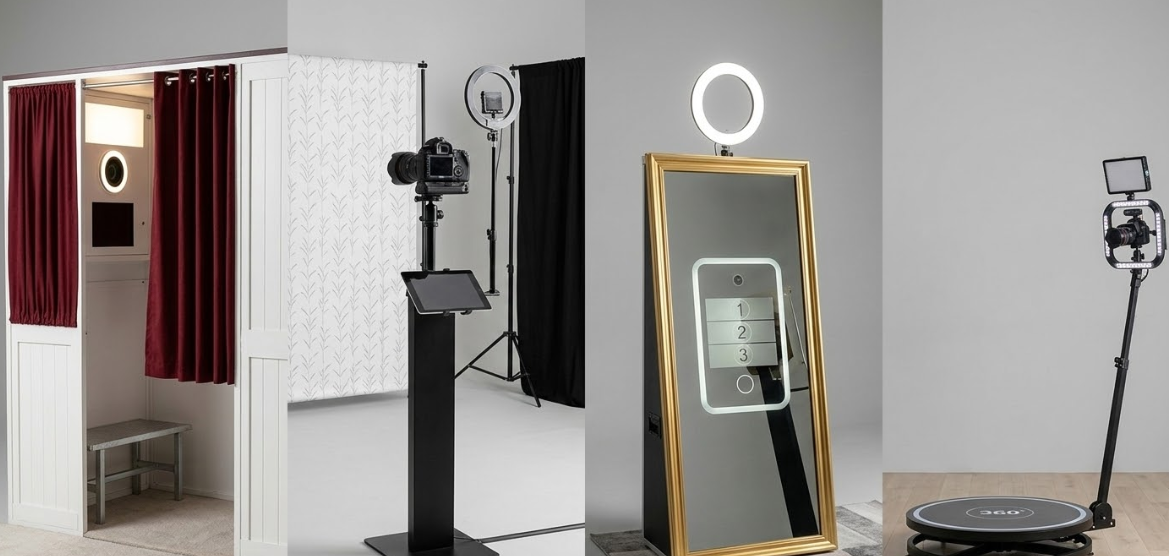
Types of Photo Booth Machines Worth Knowing About
The category of machine you choose shapes the entire guest experience before a single photo is taken. Different machine formats serve different event goals, and understanding what each type does best makes the selection process significantly more straightforward.
Open-Air DSLR Booths
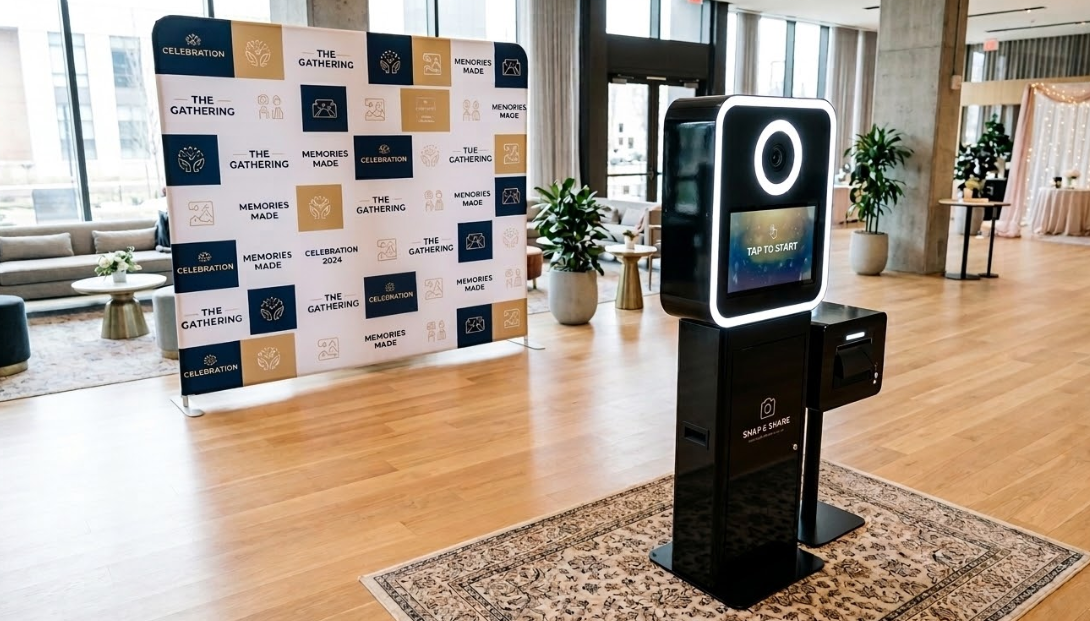
Open-air setups are the current industry standard for good reason. Without an enclosing structure, groups of any size can step into the frame, the backdrop is fully visible and customizable, and the attendant has clear sightlines for managing the experience from nearby. The DSLR camera mounted on a professional stand captures images with significantly better dynamic range, color accuracy, and low-light performance than any enclosed booth's built-in camera system.
For event operators building a rental business or planners sourcing entertainment for medium to large events, open-air DSLR setups offer the best combination of image quality, operational flexibility, and guest experience. They work in virtually every venue type, scale naturally from intimate gatherings to high-volume activations, and pair cleanly with any backdrop and prop configuration.
Mirror Photo Booth Machines
Mirror booths present a full-length touchscreen interface styled as an ornate mirror, which creates an immediately recognizable and visually striking aesthetic that works particularly well for weddings, upscale social events, and luxury brand activations. The interactive touchscreen guides guests through the experience with animated prompts, emoji reactions, and signature capture features that feel genuinely premium rather than functional.
The mirror format has remained consistently popular because the physical object itself becomes part of the event decor in a way that a standard equipment stand never does. Venues with formal or elegant aesthetics benefit from a machine that contributes to the visual environment rather than interrupting it.
AI-Enhanced Photo Booth Machines
AI-powered photo booth machines represent the current leading edge of the industry, combining high-quality camera capture with real-time artificial intelligence processing that transforms standard event photos into stylized, shareable content. The AI photo booth applies custom style filters, branded overlays, and artistic transformations at the point of capture rather than requiring post-processing, which means guests receive a finished, polished output within seconds of stepping in front of the camera.
For corporate events and brand activations where the content itself carries marketing value beyond the event, AI-enhanced machines deliver a format that performs strongly across every social sharing platform. Every output becomes a piece of genuinely interesting visual content rather than a standard group photo, which drives organic sharing at rates that standard photo booth machines rarely achieve.
360 Video Booth Platforms
The 360 photo booth has become one of the most in-demand entertainment activations across virtually every event category because it produces a format of content that guests genuinely cannot create anywhere else. A motorized arm orbits the camera around guests standing on a platform while they perform, producing a slow-motion orbital video clip that looks cinematic regardless of what the guest actually does during capture.
The 360 format rewards repeat visits because guests quickly realize that different performances produce dramatically different clips. Someone who visited the platform once for a basic spin returns to try a jump, then returns again to bring a group for a coordinated entrance. That behavior pattern keeps the activation generating engagement and content throughout the entire event rather than front-loading all the traffic into the first hour.
What to Look For When Evaluating the Best Photo Booth Machine
Beyond machine type, several specific technical and operational factors determine whether a particular unit delivers at the standard that today's event guests expect. Knowing what to evaluate prevents expensive mistakes whether you're purchasing equipment for a rental business or sourcing a machine for a single activation.
Camera and Lens Specifications
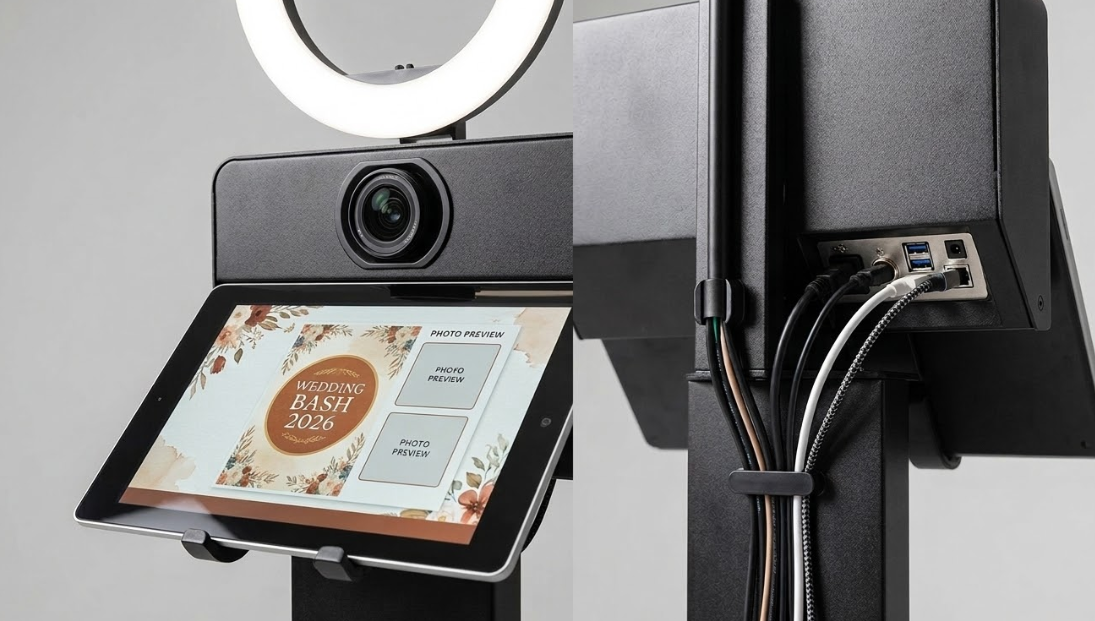
The camera at the heart of any photo booth machine is the most important single component in the entire system. Sensor size, megapixel count, and lens aperture collectively determine how the machine performs under varying light conditions and at different subject distances.
A full-frame sensor captures significantly more light than a crop sensor of equivalent megapixel count, which translates directly into cleaner, less noisy images in the mixed lighting conditions typical of event venues. A fast lens with a wide maximum aperture, f/2.8 or wider, maintains subject sharpness and background separation in low-light environments where a slower lens produces muddy, underexposed results.
For operators running a rental business, camera specifications also determine how much post-processing correction images require before delivery. A machine that captures well-exposed, accurately colored images straight out of camera saves significant time and produces more consistent results across different event environments than one that requires individual image adjustment.
Printer Quality and Speed
For machines that produce physical output, the printer is where many otherwise good setups fall short. Dye-sublimation printers remain the industry standard for event photo production because they produce water-resistant, smudge-proof prints with accurate color reproduction and a professional finish that guests recognize as genuinely high quality rather than consumer inkjet output.
Print speed matters enormously at high-traffic events. A printer that takes forty-five seconds to produce a four-by-six print creates a manageable queue at a fifty-person gathering and an unworkable bottleneck at a three-hundred-person corporate event. Evaluating prints per hour capacity alongside print quality gives a realistic picture of how a machine will actually perform under real event conditions.
Software Features and Customization
The software layer determines what the machine can actually offer guests beyond a standard unedited photo. Template customization, social sharing integration, GIF and boomerang capture, branded overlay options, and data collection features all live in the software rather than the hardware and vary enormously between machines at similar price points.
For corporate events and brand activations specifically, software that captures guest email addresses or phone numbers at the point of digital output delivery creates measurable lead generation value from the entertainment activation. That capability transforms the photo booth from a pure entertainment cost into a marketing tool with trackable return on investment, which changes how it gets budgeted and justified internally.
For a complete look at how AI software features are reshaping what modern photo booth machines can produce at events, this detailed guide on the best AI photo booth smart features for modern events covers the full landscape of what current technology makes possible.
Building a Photo Booth Business Around the Right Machine
For operators entering the photo booth rental market, machine selection is the foundational business decision that shapes everything from service pricing to market positioning to operational workload. Choosing the right equipment from the start avoids the expensive process of replacing underpowered machines after early bookings reveal their limitations.
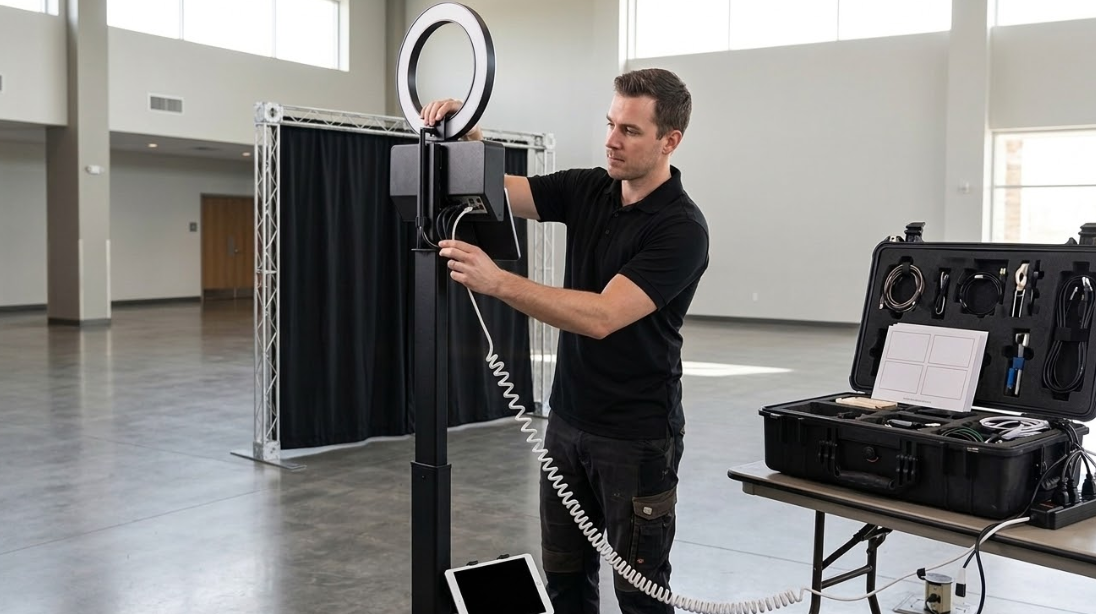
The rental market currently rewards operators who can offer experiential formats that clients can't easily replicate with consumer-grade equipment or smartphone camera setups. Standard open-air DSLR booths remain reliable workhorses for volume booking, but the machines generating the highest per-event revenue and the strongest client retention are experiential formats like the glambot photo booth, which produces a cinematic slow-motion sweep that no consumer product can approximate, and creative interactive formats like the sketchbot booth, which transforms guest photos into artistic drawings in real time.
Diversifying machine inventory across two or three format types allows operators to serve different client budgets and event types without turning away bookings that fall outside a single machine's capabilities. A core open-air DSLR setup handles the consistent volume of standard event bookings while a premium experiential machine like a 360 platform or glambot commands higher rates for clients who want something genuinely distinctive.
For insight into how photo booth entertainment fits within specific venue and event contexts that shape machine selection decisions, this guide covering event entertainment at The Wrigley Mansion Phoenix venues and this overview of how activations work at Belle Mer Newport Rhode Island venues both offer useful real-world perspective on matching machine format to venue environment.
|
Business Model |
Recommended Machine Type |
Starting Investment Range |
Per-Event Revenue Potential |
|
Part-time single operator |
Open-air DSLR booth |
$3,000 to $8,000 |
$500 to $1,200 |
|
Full-time single operator |
Open-air plus mirror booth |
$10,000 to $20,000 |
$800 to $2,000 |
|
Growing rental company |
Multi-format including 360 |
$25,000 to $50,000 |
$1,500 to $5,000 |
|
Premium experiential company |
Glambot, AI, 360 combined |
$50,000 and above |
$3,000 to $10,000 plus |
Things To Know
-
Never evaluate a photo booth machine based solely on sample images provided by the manufacturer. Request a live demonstration under event lighting conditions that resemble your actual use environment before making any purchasing decision.
-
Factor operational weight and transport logistics into machine selection from the start. A machine that produces stunning output but requires three people and a freight elevator to move into a venue creates operational challenges that erode profitability on every booking.
-
Software licensing and update costs vary significantly between manufacturers and are frequently underestimated in initial cost comparisons. A machine with a lower hardware price but high annual software fees may cost considerably more over a three-year operating period than a higher upfront option with included updates.
-
Printer consumables including dye-sublimation ribbons and paper stock represent a significant ongoing operational cost for print-based booths. Calculate cost per print at your projected event volume before committing to a machine, since consumable costs vary by as much as three times between different printer models at similar quality tiers.
-
Warranty coverage and manufacturer support responsiveness matter enormously when equipment fails at a booked event. Research actual operator experiences with manufacturer support before purchasing rather than relying on warranty documentation alone.
-
Backup equipment planning is essential for professional rental operations. A single-machine business with no backup option carries significant reputation risk on every booking, since equipment failures at events without alternatives result in client refund requests and negative reviews regardless of how unusual the failure was.
-
Guest-facing touchscreen interfaces should be tested by someone unfamiliar with the machine before finalizing any purchase. What feels intuitive to an operator who set up and configured the system often confuses guests encountering the interface for the first time under social pressure.
FAQs About the Best Photo Booth Machine
What type of photo booth is best?
For most event types and rental business applications, an open-air DSLR setup with purpose-built event software delivers the best combination of image quality, operational flexibility, and guest experience. For premium events and operators targeting the higher end of the market, AI-enhanced machines and 360 video platforms produce output formats that justify significantly higher per-event pricing and generate stronger organic social sharing. The best type ultimately depends on the specific events you're serving and the price point you need the machine to support.
Is owning a photo booth profitable?
Yes, photo booth rental businesses can be highly profitable, with many single-operator companies generating full-time income from relatively modest equipment investments. A quality open-air DSLR booth purchased for under $10,000 can generate $500 to $1,200 per event booking, meaning the hardware investment is recoverable within ten to twenty bookings. Premium experiential machines command higher rates and serve clients with larger entertainment budgets, producing stronger per-event revenue for operators willing to invest in higher-tier equipment.
What is the latest technology for photo booths?
AI-powered real-time photo transformation, 360-degree orbital video capture, and augmented reality overlay integration represent the current leading edge of photo booth technology. AI features that apply artistic style transfers, branded filter effects, and custom background replacements at the point of capture are generating the most excitement among event planners and guests right now. These features produce output that looks genuinely produced rather than simply documented, which drives social sharing behavior at rates that standard photo capture formats rarely achieve.
What are the best brands for photobooth printers?
Hiti, DNP, and Mitsubishi dye-sublimation printers are consistently recognized as the most reliable options for professional event photo booth applications. Each brand offers models at different speed and print size tiers, and all three produce water-resistant, fade-resistant prints with accurate color rendering that holds up to handling at events. DNP's DS-series printers are particularly popular among professional rental operators for their combination of print speed, output quality, and long-term reliability under high-volume use.
How expensive is it to buy a photobooth?
Entry-level consumer photo booth setups start around $1,500 to $3,000, while professional-grade open-air DSLR configurations suitable for a rental business typically range from $5,000 to $15,000. Premium experiential formats including glambot systems, 360 platforms, and AI-enhanced machines range from $15,000 to $60,000 or more depending on specifications and included software. For operators starting a rental business, a realistic initial investment for a market-competitive single-machine setup including camera, lighting, printer, backdrop, and software sits between $8,000 and $20,000.