The best vintage photo booth experience combines old-school strip photo aesthetics, warm analog-inspired tones, and tactile physical prints to create a nostalgic moment that feels genuinely different from every other entertainment option at a modern event. When the styling, lighting, and output format all commit fully to the retro concept, guests don't just take a photo. They step into a memory.
Vintage photo booths have experienced a remarkable resurgence across wedding receptions, anniversary celebrations, corporate throwback events, and social gatherings where the goal is atmosphere as much as entertainment. There is something deeply satisfying about holding a physical strip of photos with that warm sepia or black-and-white tone that a digital file on a phone simply cannot replicate, and event planners who lean into that tactile nostalgia consistently produce one of the most talked-about moments of their entire event.
Why Vintage Photo Booths Create a Different Kind of Guest Experience
The reason vintage-style photo booths resonate so strongly at modern events comes down to contrast. Guests spend most of their social lives producing content on smartphones with filters that approximate analog warmth without fully committing to it. Stepping into a setup that genuinely replicates the look, feel, and physical output of a classic photo strip booth creates a sensory experience that feels genuinely novel even though the concept is decades old.
There is also a social dynamic at play that differs meaningfully from open-air modern booth formats. The enclosed or semi-enclosed structure of many vintage booth designs creates an intimate, slightly secretive atmosphere that invites small groups to pile in together, draw the curtain, and produce something that feels like it belongs to them rather than to the event's social media strategy. That sense of private playfulness generates some of the most genuine, unguarded expressions in any photo format available at events today.
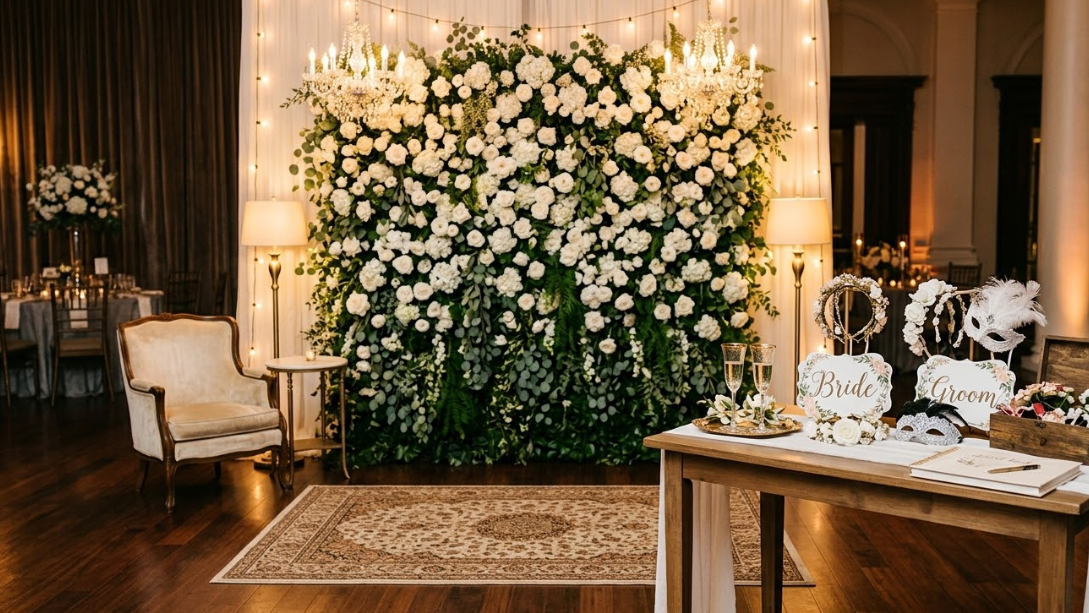
For event planners, the vintage aesthetic also integrates beautifully into a wide range of decor themes. Art deco ballrooms, rustic barn receptions, Great Gatsby celebrations, and 1950s diner-themed parties all have natural visual chemistry with a well-styled vintage booth setup. Rather than introducing a piece of modern technology that interrupts the room's atmosphere, a vintage-styled booth becomes part of the environment.
|
Vintage Photo Booth |
Modern Open-Air Photo Booth |
|
Warm, nostalgic aesthetic that integrates with retro decor |
Clean, contemporary look suited to modern venues |
|
Enclosed design creates intimate, playful atmosphere |
Open format accommodates larger groups easily |
|
Physical strip print output with tactile keepsake value |
Digital and print output with instant sharing options |
|
Black and white or sepia tones as a signature visual style |
Full color output with customizable digital filters |
|
Strong emotional resonance through nostalgia |
Strong engagement through interactive technology |
|
Guests keep prints as physical mementos |
Guests receive digital files for immediate sharing |
What Makes a Vintage Photo Booth Truly Authentic
Authenticity in a vintage photo booth experience comes from committing to the concept at every touchpoint rather than simply applying a sepia filter to a standard modern setup and calling it retro. The guests who seek out this experience specifically, and there are more of them than most event planners expect, know the difference immediately and respond to it accordingly.
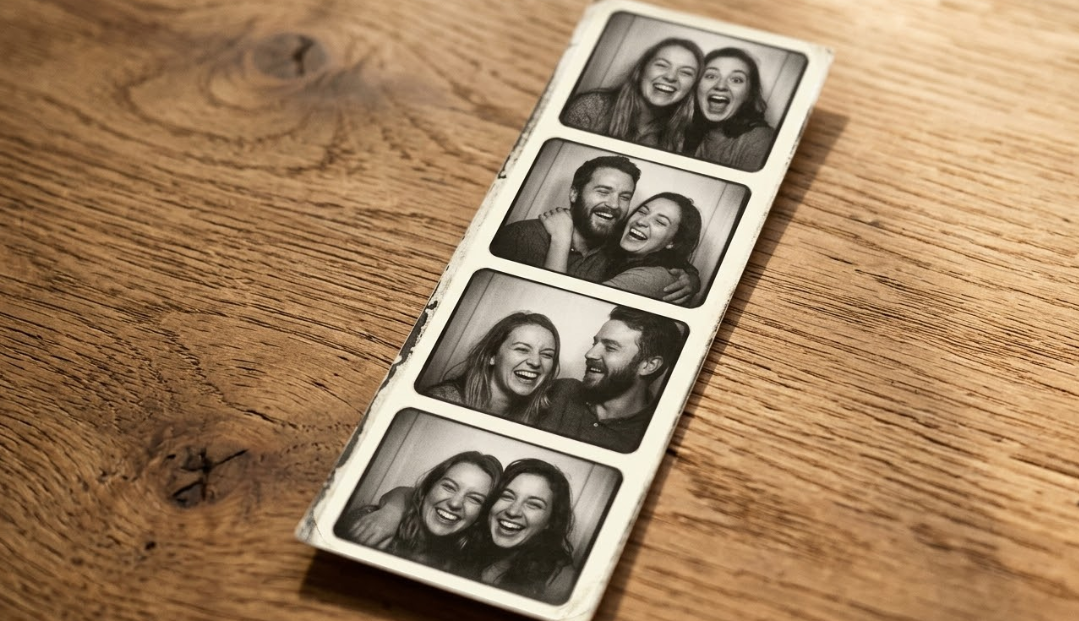
The Strip Print Format
Nothing communicates vintage photo booth identity more immediately than the vertical strip format. Four small sequential images printed on a single narrow strip of glossy or matte paper is the visual shorthand for the entire concept, and it works because it carries genuine historical authenticity. The original photo booth machines of the mid-twentieth century produced exactly this format, and replicating it at a modern event taps directly into the collective cultural memory associated with those machines.
The best vintage strip outputs go further than format replication. Slightly rounded corners, thin white borders around each frame, and paper stock with a weight and texture that feels premium in the hand all contribute to a print that guests genuinely want to keep rather than leave behind on a table at the end of the night.
Warm Analog Color Grading
Color treatment is where the visual identity of a vintage photo booth either succeeds or falls apart. Authentic vintage tones are not simply desaturated photos. They carry warmth in the shadows, slight grain in the midtones, and a characteristic color cast that varies depending on which specific era the design is drawing from. Early photobooth strips from the 1950s and 1960s have a warm brownish silver quality. Later iterations from the 1970s and 1980s carry more yellow and green in their tones.
The most compelling vintage setups choose one era and commit to its specific visual language consistently across every print rather than applying a generic "vintage" filter that doesn't reference any particular aesthetic tradition. That specificity is what makes the output feel genuinely researched and curated rather than superficially retro.
Hardware and Exterior Styling
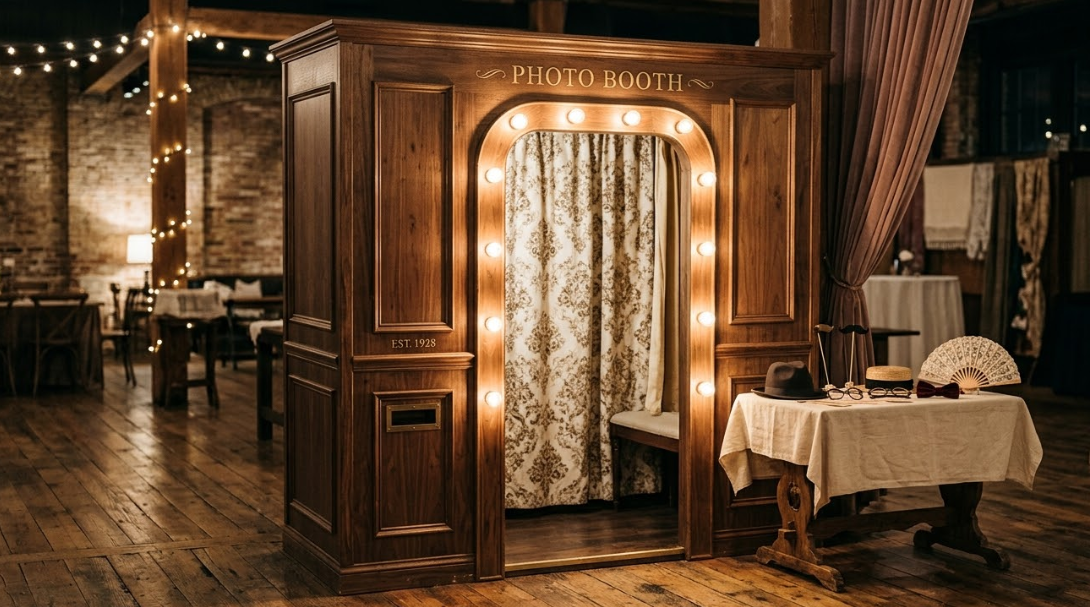
The physical appearance of the booth structure itself carries significant weight in how guests experience the overall setup. A modern kiosk running vintage-toned software creates a visual disconnect that undercuts the concept before a single photo is taken. A booth exterior styled with dark wood paneling, warm brass hardware accents, vintage typography on the facade, and a curtain or privacy panel entrance creates an environment that genuinely transports guests the moment they approach it.
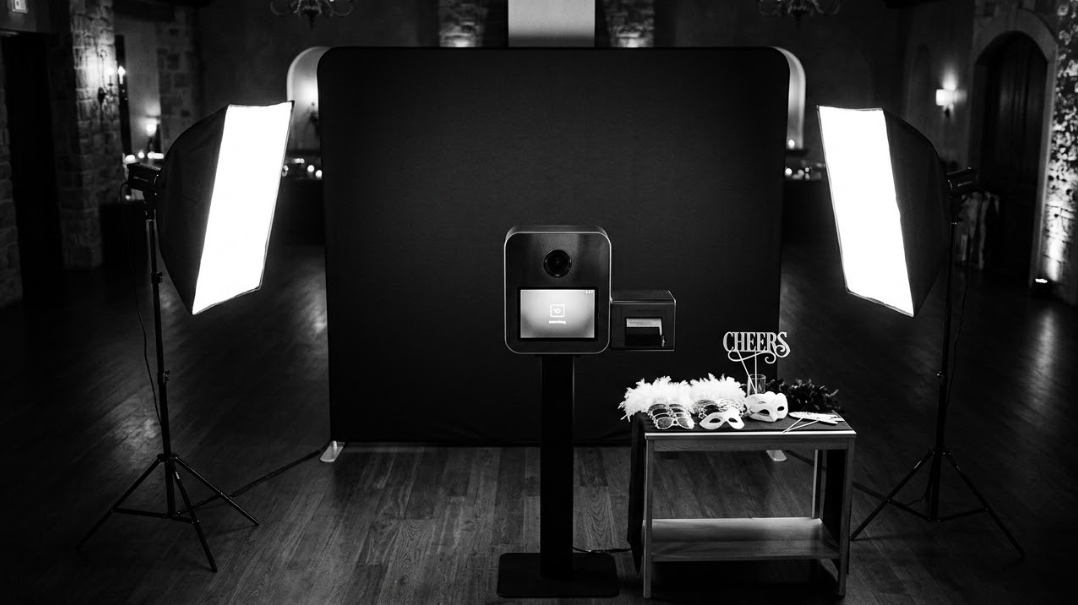
Prop tables near a vintage booth should follow the same aesthetic logic. Bowler hats, feather fascinators, pearl necklaces, oversized novelty glasses in classic shapes, and handheld signs in period-appropriate typography all reinforce the concept and give guests the visual cues they need to commit fully to the moment.
Best Vintage Photo Booth Styles for Different Events
Not every vintage concept suits every occasion. The best vintage photo booth setup for a 1920s Great Gatsby wedding reception looks and operates quite differently from the right vintage approach for a 1980s company anniversary party. Matching the specific era and aesthetic to your event's existing concept creates a cohesive experience rather than a generic retro gesture.
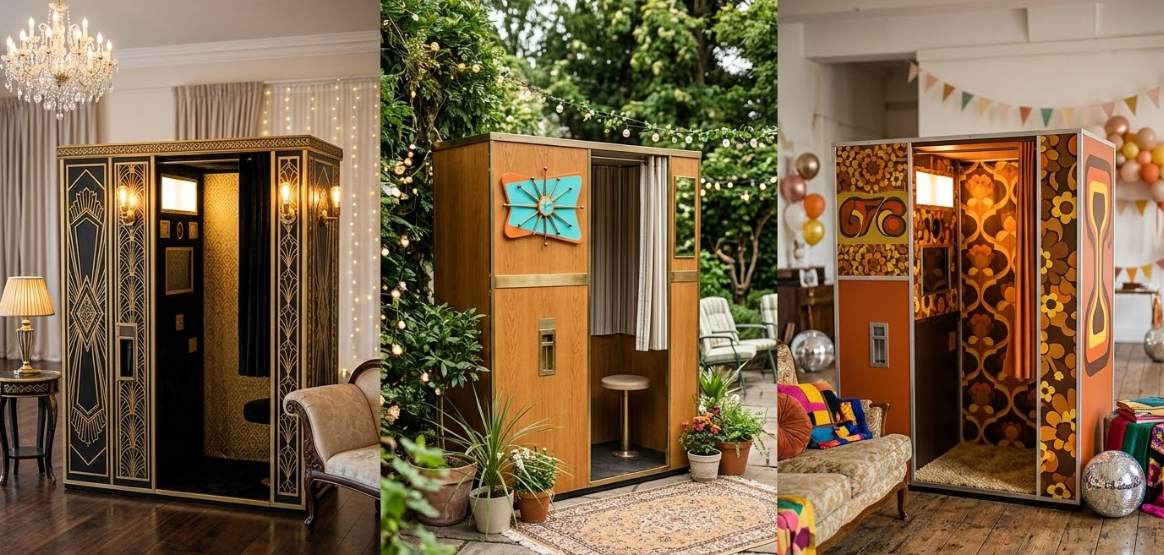
Art Deco and 1920s Gatsby Themes
The Art Deco era offers the richest visual vocabulary for vintage booth styling. Black lacquer and gold finishes, geometric sunburst patterns, champagne and ivory tones, and gatsby-era prop accessories create a setup that photographs with extraordinary elegance and works beautifully in formal venue environments.
For upscale events where every design element carries weight, pairing a vintage Art Deco booth with a vogue photo booth experience creates a layered entertainment offering that covers both the nostalgic strip photo experience and a more contemporary fashion-forward activation within the same event footprint.
Mid-Century and 1950s Diner Themes
The 1950s diner aesthetic translates into one of the most recognizable and universally appealing vintage booth concepts available. Checkerboard floor details, red and white color combinations, neon-inspired signage, and classic soda fountain prop elements create a booth environment with immediate warmth and humor that works for guests across every age group.
This theme pairs naturally with casual celebrations, company picnics, anniversary parties, and any event where the goal is relaxed, inclusive fun rather than formal elegance. The best mid-century vintage booth setups lean into the playfulness of the era through bold color and exaggerated prop styling while maintaining the authentic strip print format that anchors the experience in genuine nostalgia.
1970s and 1980s Retro Concepts
Retro concepts drawing from the 1970s and 1980s carry a particular resonance for adult guests who grew up during those decades and carry strong personal associations with the visual language of the era. Earth tones and macrame details for a 1970s concept, or bright neon and geometric patterns for an 1980s approach, both offer rich styling territory with strong guest recognition.
For corporate anniversary events celebrating a company's history through specific decades, a vintage booth styled to the era of the company's founding creates a thematic anchor that ties the entertainment directly to the event's narrative purpose. Guests who joined the company in that era respond to the recognition with genuine enthusiasm that carries through the entire event atmosphere.
Pairing Vintage Styling With Modern Technology
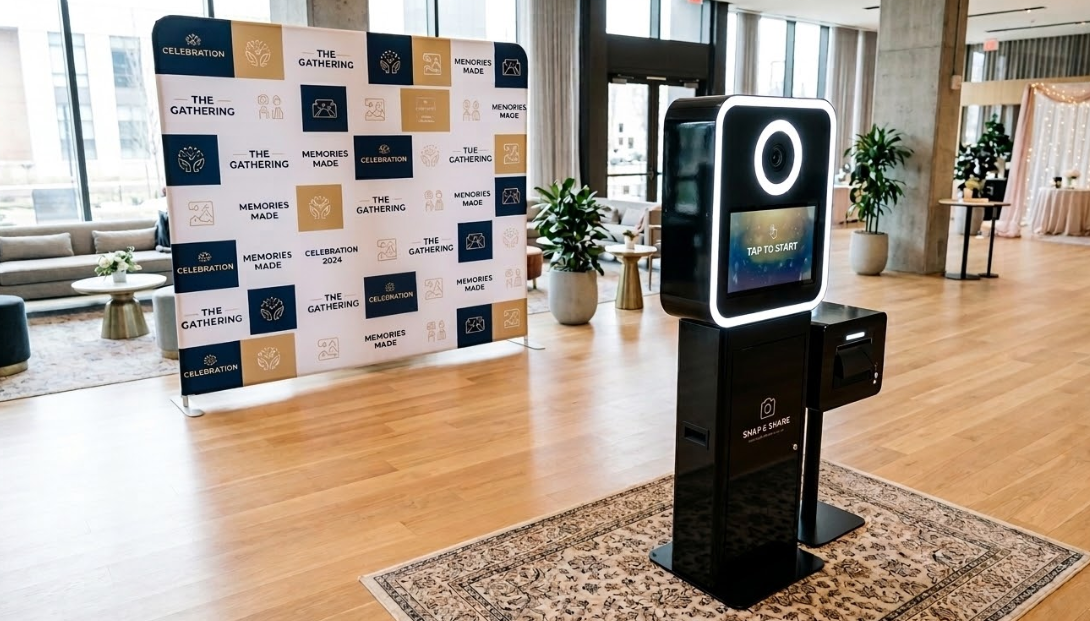
The most successful vintage photo booth setups at contemporary events balance authentic retro aesthetics with the technical reliability and output quality that today's guests expect from professional event entertainment. Pure vintage purists occasionally push back on this idea, but the reality is that a genuinely authentic mid-century photo booth machine produces inconsistent exposures, unpredictable print quality, and operational challenges that create more frustration than nostalgia at a live event.
The smartest approach uses modern camera and printing technology to deliver vintage-quality output reliably rather than attempting to run actual vintage equipment under event conditions. A professional DSLR system configured to produce warm analog-toned outputs with authentic strip formatting gives guests the emotional experience of a genuine vintage booth with the technical consistency of modern event photography.
This same logic applies to how vintage concepts can layer with contemporary interactive formats. A glambot photo booth configured with vintage color grading on the slow-motion output creates a genuinely unexpected combination: the cinematic sweep of a modern orbital camera producing clips with warm, film-inspired tones that feel simultaneously current and nostalgic. For events that want something genuinely distinctive, that unexpected pairing generates strong guest reactions.
The AI photo booth offers another powerful combination with vintage aesthetic concepts. AI style transfer models trained on specific photographic eras can apply authentic period-specific color grading, grain structure, and tonal characteristics to modern digital captures in real time, producing vintage-quality outputs without any of the operational unpredictability of actual analog equipment.
For more on how AI technology is reshaping what modern photo booth experiences can deliver, this detailed guide on the best AI photo booth smart features for modern events covers the full landscape of current capabilities.
|
Vintage Style Era |
Key Visual Elements |
Best Event Type |
Recommended Prop Accents |
|
1920s Art Deco |
Black and gold, geometric patterns, champagne tones |
Formal galas, Gatsby weddings |
Feather boas, pearl strands, long gloves |
|
1950s Mid-Century |
Checkerboard, red and cream, soda fountain feel |
Casual parties, company picnics |
Cat-eye glasses, poodle skirt props, diner signs |
|
1960s Mod |
Bold geometric prints, bright primaries, go-go energy |
Birthday celebrations, retro themed parties |
Shift dress silhouette props, round glasses, peace signs |
|
1970s Bohemian |
Earthy oranges and browns, macrame, floral prints |
Outdoor events, garden parties |
Flower crowns, fringe accessories, vinyl record props |
|
1980s Pop |
Neon brights, cassette tape graphics, geometric shapes |
Corporate anniversaries, throwback events |
Oversized sunglasses, cassette props, boombox cutouts |
Placement and Environment for Maximum Guest Engagement
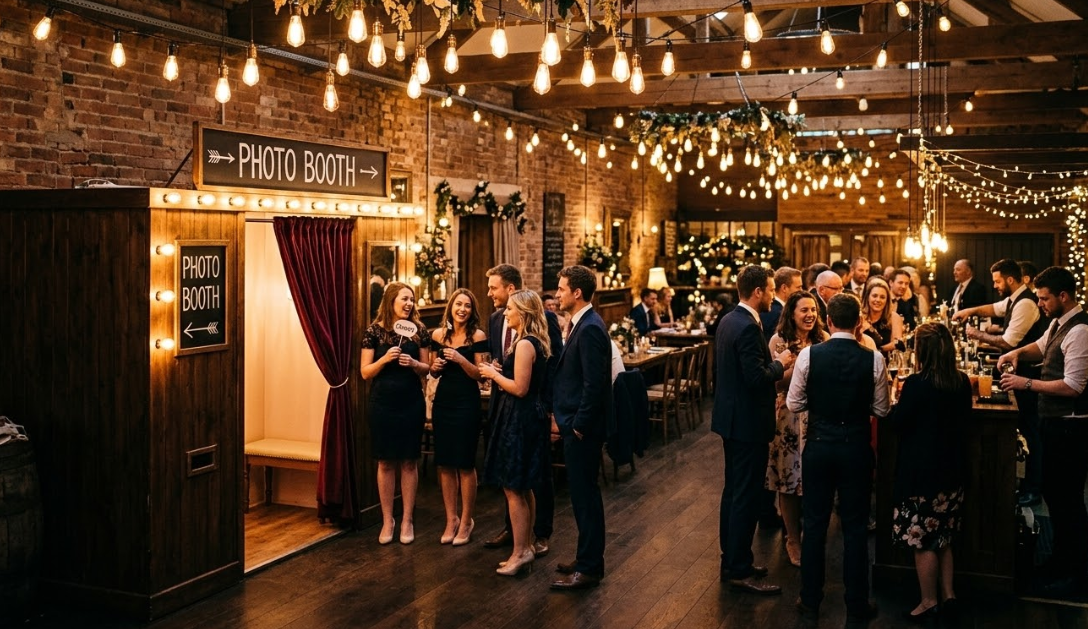
Where the vintage booth sits within your event space shapes how many guests discover and use it as much as the styling itself does. A beautifully designed setup tucked into a corner behind a pillar generates a fraction of the traffic that the same setup would produce placed near the main flow of guest movement through the venue.
Vintage booths benefit particularly from placement near the events social gathering zones rather than in dedicated entertainment areas. A booth positioned near the bar or the cocktail hour space at a wedding reception draws organic foot traffic from guests who are already in a relaxed, social mood and looking for something to do while conversations naturally shift and reform around them.
For events at established venues where room flow and placement logistics are already well understood, this overview of entertainment at Belle Mer Newport Rhode Island venues offers useful perspective on how booth positioning works within specific venue environments. For creative output format ideas that pair naturally with vintage aesthetics, this guide on the best custom trading card photo booth shows how unexpected output formats create memorable keepsakes guests genuinely treasure.
Things To Know
-
Commit to a specific era rather than a generic vintage concept. The difference between a booth styled to the 1950s specifically and one that applies vague retro elements is immediately visible to guests and shapes how enthusiastically they engage with the experience.
-
Physical print quality matters more for vintage setups than for any other booth format because the strip print is central to the guest experience rather than secondary to a digital output. Specify paper stock, finish type, and print weight with your vendor before confirming a booking.
-
Prop selection for vintage concepts should be era-specific and vetted for visual coherence with the overall aesthetic. A bowler hat from 1920 and a cassette tape prop from 1985 sitting in the same prop basket create visual confusion that undermines the themed concept.
-
Lighting for vintage booths should lean warm rather than neutral or cool. The warm amber quality associated with classic analog photography is partly a product of the tungsten lighting that was standard during the era, and replicating that warmth in the booth's lighting setup reinforces the overall aesthetic at the capture level.
-
The curtain or privacy element in enclosed vintage booths dramatically changes guest behavior in a positive direction. Even events with very open social dynamics produce more uninhibited, genuine photos when guests feel slightly shielded from the larger room.
-
Black and white output remains the most consistently elegant vintage option for formal events, while warm sepia tones work better for casual and rustic-themed gatherings where the slightly softer, more romantic quality of sepia suits the overall atmosphere.
-
Build extra time into the event schedule for the vintage booth experience compared to a standard open-air setup. Guests linger longer, visit in smaller groups, and take more rounds of photos when the enclosed intimate format invites them to do so.
FAQs About the Best Vintage Photo Booth
What type of photo booth is best?
The best type depends entirely on the event's goals, but for atmosphere-driven occasions like weddings, anniversary celebrations, and themed parties, a vintage-styled booth consistently delivers stronger emotional resonance than purely modern formats. For events where social sharing volume and digital content quality are the primary metrics, modern experiential formats like AI-enhanced booths and 360 platforms perform better. The strongest events often combine a vintage-inspired print option alongside a contemporary digital format to serve both guest preferences simultaneously.
What is a vintage photobooth called?
Classic enclosed photo booths are often referred to as Automats or Photomaton booths, named after the automated processing machines that produced the original strip prints in the early to mid-twentieth century. The term "photo booth" itself became the generic descriptor for all enclosed automatic photo printing machines, while the specific strip-format vintage version is sometimes called a strip photo booth or analog photo booth in the contemporary event industry to distinguish it from modern open-air digital setups.
What makes a photo booth unforgettable?
A photo booth becomes unforgettable when the output gives guests something they genuinely want to keep, share, or display rather than politely save and forget. For vintage booths specifically, the physical strip print with warm analog toning creates a tactile keepsake that stands apart from everything else guests take home from an event. The combination of an immersive aesthetic environment, a print format with genuine nostalgic resonance, and the intimate social dynamic of the enclosed booth structure creates a layered experience that guests reference long after the event itself.
How to make a photo booth vintage?
Start with the output format: commit to the vertical strip print in black and white or warm sepia toning as the non-negotiable foundation of the vintage concept. Then build outward from there through the booth exterior styling, the prop selection, the lighting temperature, and the overall environment around the booth. Every element should reference the same specific era rather than applying generic retro signals. An authentic vintage booth experience requires commitment at every touchpoint, not just a color filter applied to a standard modern setup.
Why are vintage photo booths wet?
Original automatic photo booths from the mid-twentieth century used a wet chemical development process similar to darkroom photography, where the film strip passed through liquid chemical baths to develop and fix the image before being cut and dispensed as a finished print. This process is why the prints sometimes came out still slightly damp and smelled faintly of chemicals when fresh. Modern vintage-style booths use dye-sublimation or digital inkjet printing that produces dry, odor-free prints instantly, replicating the aesthetic of the original format without any of the chemical processing that the original machines required.