The best slow motion video booth ideas combine dramatic physical moments with the right camera settings and environment to turn a few seconds of movement into a cinematic clip guests want to watch on repeat. When the concept, the setup, and the performance all align, the result looks like something from a film production rather than a party activation.
Slow motion video has become one of the most requested entertainment formats at events of every size and type, and for good reason. Standard photos capture a frozen instant. Slow motion captures the energy, the laughter, the hair flip, the confetti cloud, the dramatic turn, all stretched into a beautiful extended moment that feels far more alive than anything a still image can deliver. Once guests see their first clip, the line at the booth rarely gets shorter for the rest of the night.
Why Slow Motion Video Changes the Guest Experience Entirely
There is something genuinely surprising about watching yourself or someone you know in slow motion for the first time. The format reveals details that happen too quickly for the eye to register in real time: the precise moment a smile breaks across someone's face, the arc of a prop tossed into the air, the way a sequined jacket catches the light during a spin. That element of discovery is what makes slow motion video booth content so consistently compelling and so widely shared.
From an event planning perspective, the shareable value of slow motion clips dramatically exceeds that of standard photo booth prints. A printed photo strip gets tucked into a wallet or stuck to a refrigerator. A slow motion video clip gets shared to Instagram stories within minutes, tagged with the event, and watched repeatedly by people who weren't even there. That organic reach is something event planners and brand managers spend significant budgets trying to manufacture through other channels, and a well-executed slow motion activation delivers it naturally.
The format also gives guests something to perform rather than simply pose for, which fundamentally changes how people engage with the booth. Instead of figuring out where to stand and what to do with their hands, guests are thinking about their entrance, their prop moment, their dramatic reveal. That shift from passive subject to active performer produces content with far more energy and personality than any posed photo session generates.
|
Slow Motion Video Booth |
Standard Photo Booth |
|
Captures movement, energy, and personality |
Captures a single frozen instant |
|
Produces shareable video content guests post immediately |
Prints get saved but rarely shared digitally |
|
Encourages guests to perform and engage fully |
Guests often default to basic poses |
|
Creates a social media moment with organic event reach |
Sharing requires active prompting from event staff |
|
Guests return multiple times to try different concepts |
Most guests visit once and move on |
The Best Slow Motion Video Booth Ideas by Moment Type
The most effective slow motion moments are built around one clear visual payoff. That payoff might be a physical prop interaction, a dramatic movement, a surprise reveal, or a group energy moment. Knowing which category of moment you want to create shapes every other decision about how the booth is configured and how guests are prompted to use it.
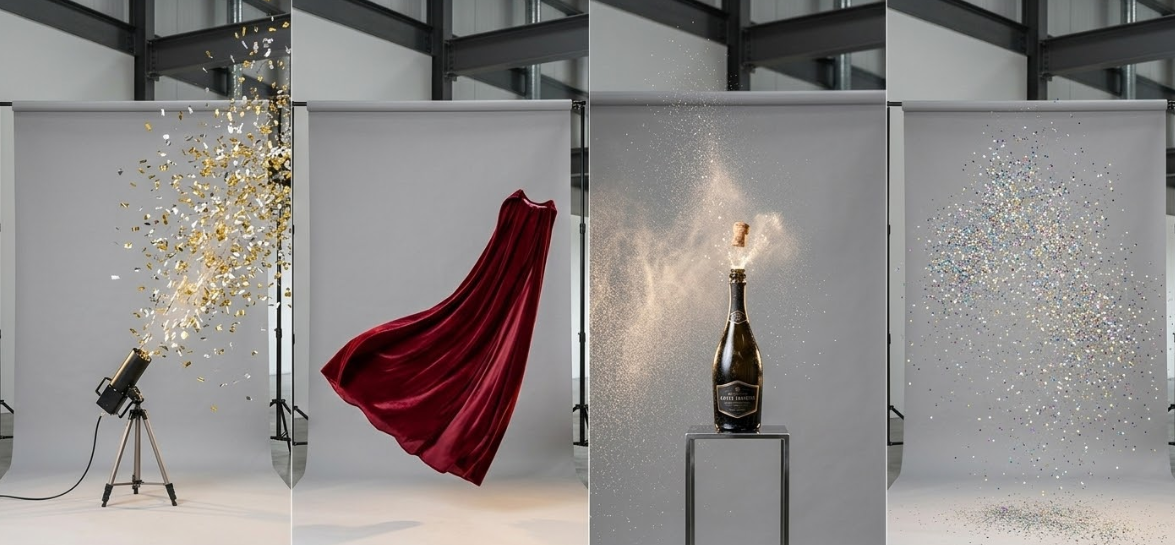
Confetti and Glitter Drops
Confetti and glitter are the most universally requested slow motion video booth ideas at any event category from weddings to corporate celebrations to birthday parties. The visual logic is simple: fast-moving particles that the eye can barely track in real time become individually visible and extraordinarily beautiful when stretched across several seconds of slow motion playback.
Handheld confetti cannons give guests a trigger moment, which creates a natural performance arc. Guest enters the frame, looks at camera, fires the cannon, reacts to the burst. That four-beat sequence produces a clip with genuine narrative structure rather than just random movement. The reaction moment at the end, whatever genuine expression crosses someone's face when confetti explodes around them, is almost always the best frame in the entire clip.
Biodegradable confetti is worth specifying for indoor events where venue cleanup requirements apply. Metallic mylar confetti photographs with more visual impact than paper confetti but creates a significantly longer cleanup window that some venues restrict or prohibit entirely.
Fabric and Cape Moments
A flowing cape or dramatic fabric panel creates slow motion content with a completely different visual quality than particle effects. Fabric movement has weight, direction, and a graceful arc that photographs with an almost sculptural quality in slow motion. A guest entering the frame with a sequined cape or a dramatically patterned fabric panel and turning or spinning while it fans out behind them produces a clip that looks genuinely editorial.
This concept works particularly well for fashion-forward events, theatrical celebrations, and any activation where the goal is content that looks elevated rather than playful. The glambot photo booth is specifically designed to capture exactly this kind of cinematic fabric and movement moment, with a motorized camera sweep that moves around the subject at the precise moment the fabric reaches maximum extension. The resulting clip looks like a fashion week highlight rather than an event party favor.
Hair Flip and Head Turn Moments
The slow motion hair flip has been a staple of event video content for years because it delivers a visually satisfying moment without requiring any additional props or setup elements. A guest entering the frame, pausing, then executing a deliberate hair flip or slow dramatic head turn toward the camera produces a clip with strong visual momentum that photographs well against virtually any backdrop style.
The key to making hair flip content look intentional rather than accidental is timing guidance. Guests who know exactly when the camera is recording at high frame rate can time their movement to land perfectly within the capture window. An attendant counting down or a visual prompt on a monitor positioned just off-frame gives guests the timing cue they need to execute the moment at the right instant.
Jump and Landing Sequences
Jump shots in slow motion reveal the hang-time between takeoff and landing in a way that makes guests look genuinely athletic regardless of how high they actually got off the ground. A group of four people jumping simultaneously, each at a slightly different height and with different arm positions, produces a clip with layered movement across the frame that looks visually complex and fun without requiring any choreography or rehearsal.
The landing is often the best moment in a slow motion jump clip. Expressions at the moment of landing are consistently more genuine and interesting than whatever face someone was making at the top of the jump, and slow motion stretches that landing reaction into a long, expressive moment that fast-frame playback would compress into a blink.
For events using a 360 photo booth setup, jump shots take on additional visual dimension when the camera is orbiting around the subject simultaneously. The combination of vertical movement from the jump and horizontal movement from the camera creates a genuinely dynamic clip that guests consistently describe as the most impressive thing they've ever seen produced at an event.
Setting Up for Slow Motion Success
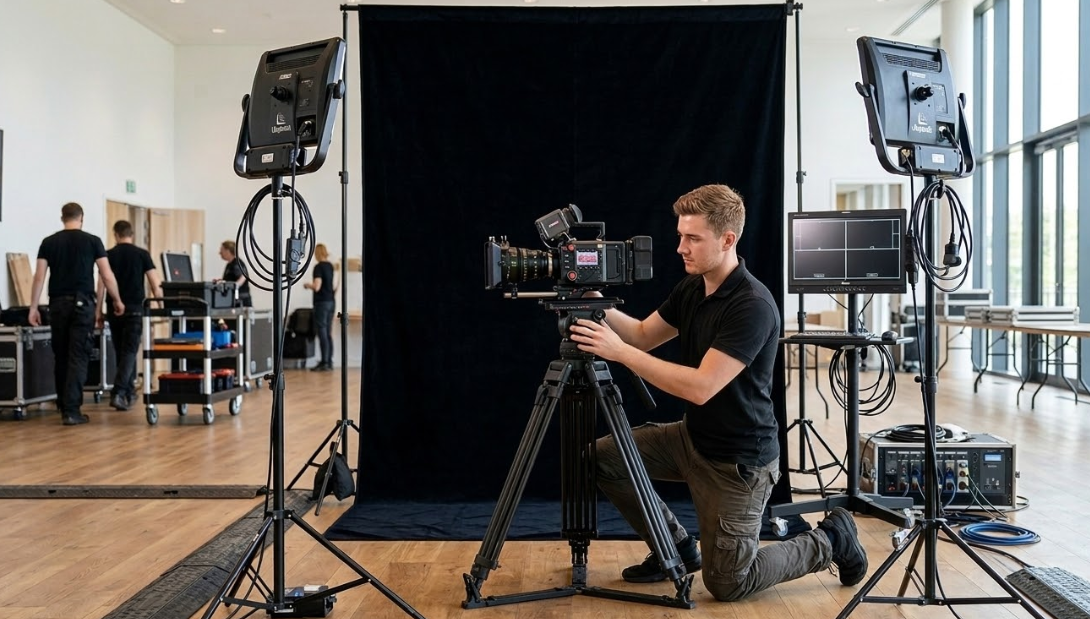
Even the most creative slow motion video booth ideas fall flat when the technical setup isn't configured to match the demands of high frame rate capture. Slow motion video requires specific camera settings, lighting intensity, and shooting environment conditions that differ meaningfully from standard photo booth requirements.
Frame Rate and Shutter Speed
Slow motion video is created by capturing footage at a higher frame rate than the playback rate. Standard video plays back at 24 or 30 frames per second. Shooting at 120 frames per second and playing back at 30 frames per second produces video that plays at one-quarter of real time, which is the sweet spot for most event slow motion applications. The movement is dramatically slowed without becoming so stretched that individual expressions blur into unrecognizable shapes.
For the smoothest possible slow motion output, 240 frames per second capture played back at 24 frames per second creates a ten-times slow down that makes even quick movements feel luxuriously extended. This frame rate requires significantly more light than standard video capture, which is why lighting setup is even more critical for slow motion booths than for standard photo configurations.
Shutter speed for slow motion capture should be set at approximately double the frame rate. Shooting at 120 frames per second requires a shutter speed of at least 1/240 of a second. This relationship between frame rate and shutter speed is what preserves motion sharpness in slow motion footage and prevents the motion blur that makes clips look low quality rather than cinematic.
Lighting Requirements for High Frame Rate Capture
The most common technical problem with slow motion video booths at events is footage that looks grainy, dark, or flickering when played back, and the cause is almost always insufficient lighting for the frame rate being used. Higher frame rates require proportionally more light than standard video capture because each individual frame is exposed for a much shorter duration.
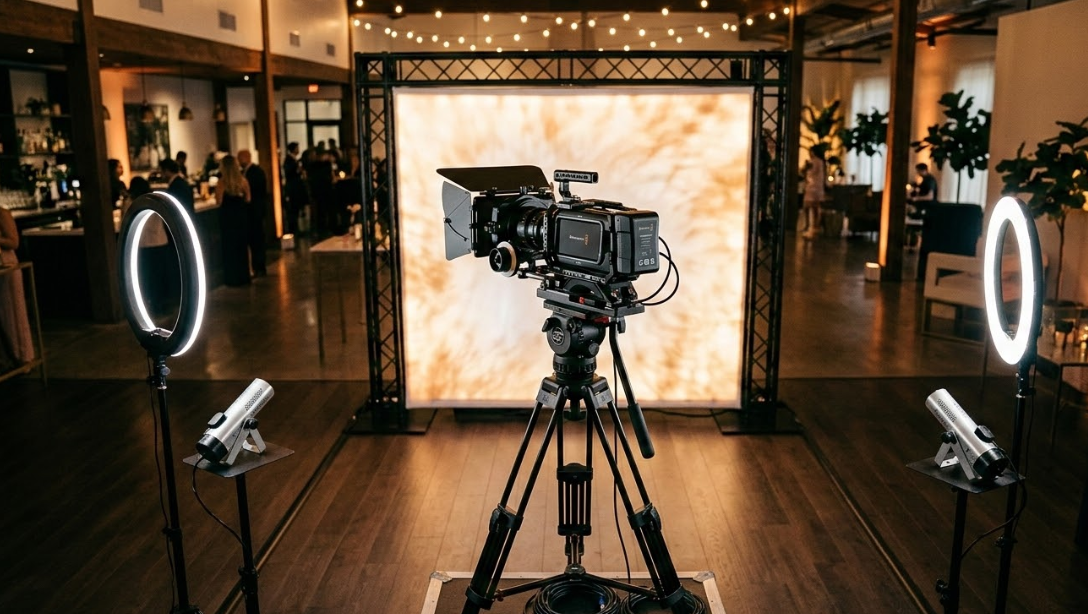
LED panels with high CRI ratings and flicker-free output are the most reliable choice for slow motion booth lighting. Fluorescent lights and certain LED fixtures flicker at frequencies that become visible in high frame rate footage as a pulsing or banding effect across the image. Specifying flicker-free LED panels eliminates this problem entirely and produces clean, consistent exposure across every frame of the captured clip.
For events where the slow motion booth is the centerpiece entertainment activation, the slow motion booth setup includes professionally configured lighting designed specifically for high frame rate capture, removing the guesswork from the technical side and allowing the entire focus to remain on creating compelling moments rather than troubleshooting exposure issues mid-event.
|
Frame Rate |
Playback Speed |
Best For |
Lighting Requirement |
|
60 fps at 30 fps playback |
2x slow down |
Subtle motion, hair flips |
Standard event lighting |
|
120 fps at 30 fps playback |
4x slow down |
Confetti, fabric, jumps |
Bright LED panels required |
|
240 fps at 24 fps playback |
10x slow down |
Fine particle effects, drops |
High intensity lighting essential |
|
480 fps at 24 fps playback |
20x slow down |
Water, glitter, extreme detail |
Professional studio lighting |
Creative Slow Motion Concepts for Specific Event Types
The strongest slow motion video booth ideas are tailored to the specific audience and occasion rather than applied generically across every event type. What creates genuine excitement at a wedding reception might feel completely wrong at a corporate product launch, and vice versa.
Weddings and Celebrations
Wedding slow motion content has an emotional dimension that other event types rarely match. A couple's first look captured in slow motion, a bridal party entrance with synchronized confetti cannons, or a slow motion champagne toast all produce clips with genuine sentimental value that guests return to years after the event itself.
For wedding receptions specifically, encouraging guests to create a collective slow motion message or gesture for the couple produces content with both entertainment and keepsake value. Each guest's clip stands alone as a fun event moment and together the collection becomes a visual guest book that tells the story of the entire celebration in a format far more engaging than a traditional paper signing table.
For deeper insight into how interactive entertainment creates lasting memories at wedding and celebration events, this guide on prom memories made easy with photo booth rental covers how photo and video activations anchor the emotional experience of milestone events.
Corporate Events and Brand Activations
Corporate slow motion content works best when it incorporates branded elements that appear naturally within the clip rather than feeling forced or obvious. A product reveal moment in slow motion where a guest interacts with a new product while confetti drops around them creates branded content that looks organic and genuinely exciting. A team celebration with coordinated branded props creates collective content that reinforces company culture in a shareable format.
For brand activations where content quality and reach are primary metrics, pairing slow motion capture with an AI photo booth creates a dual-format experience where guests receive both a standard AI-enhanced photo and a slow motion video clip from the same activation footprint. The two formats together cover every type of social sharing platform and content preference without requiring guests to visit two separate booth setups. For more on how AI features amplify the modern event experience, this breakdown of the best AI photo booth smart features for modern events is worth exploring in full.
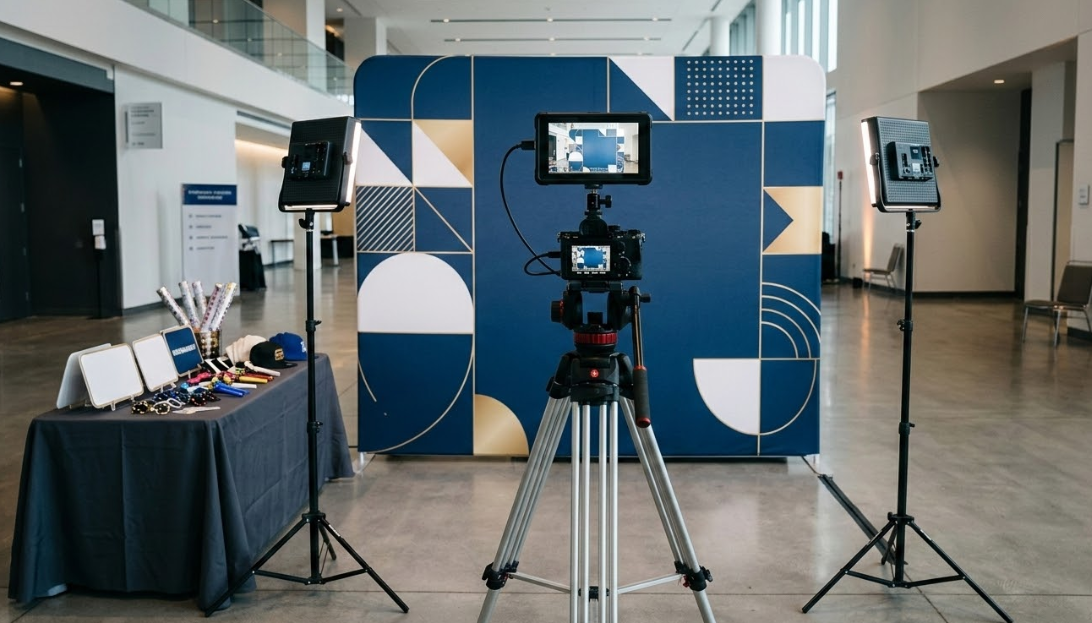
High-Energy Social Events
For birthday parties, holiday celebrations, and casual social gatherings where energy and fun are the only real brief, slow motion booth ideas can go significantly further toward theatrical and unexpected territory. Foam machine bursts, giant balloon pops, oversized confetti streamers, and dramatic prop reveals all produce slow motion content with maximum visual entertainment value.
The key for high-energy social events is giving guests clear direction without over-choreographing the moment. A simple instruction card near the booth entrance that says "grab a cannon, fire it, and react" gives guests enough structure to execute a great clip without making the experience feel scripted. The genuine surprise and laughter that follows almost always produces the most watchable content of the entire event.
For events that want to understand how slow motion video content integrates into a larger entertainment lineup, this guide covering the Denver GIF booth experience provides useful context on how looping video formats and slow motion capture serve different but complementary roles within the same event entertainment strategy.
Things To Know
-
Always run a full technical test of the slow motion setup under the actual event lighting conditions before guests arrive. Problems with frame rate, exposure, and flicker that aren't caught during setup become impossible to fix once the event is underway.
-
Keep the posing area in front of the booth completely clear of furniture, cables, and other obstacles. Guests performing dramatic movements like jumps, spins, and confetti tosses need significantly more clear floor space than a standard photo booth requires.
-
Brief guests on timing at the start of each clip rather than assuming they understand when the high frame rate window begins. A simple countdown from an attendant or a clear visual cue on a monitor eliminates the most common cause of missed moments.
-
Have cleaning supplies readily accessible near any booth using confetti, glitter, or particle effects. A brief cleanup between each guest keeps the setup looking fresh and prevents accumulated prop materials from appearing in subsequent clips.
-
Provide guests with a QR code or digital delivery method for their clip immediately after capture rather than asking them to wait. The excitement of a slow motion clip is highest in the thirty seconds after it's created, and delivery delays significantly reduce the likelihood of social sharing.
-
Match your slow motion concept to the energy level of your specific audience. A gentle hair flip concept works beautifully for a mixed-age family celebration where dramatic confetti cannons might feel overwhelming for older guests or young children.
-
Consider the audio component of shared clips. Slow motion video shared to social platforms is often watched with music overlaid, and providing a suggested event hashtag or audio cue encourages guests to use consistent branded audio that ties all shared content together.
FAQs About Slow Motion Video Booth Ideas
What are some creative slow motion ideas?
Confetti cannon bursts, dramatic fabric and cape moments, coordinated group jump shots, and glitter tosses consistently produce the most visually compelling slow motion clips at any event type. Beyond these classics, creative slow motion video booth ideas include balloon pop reveals, smoke color bursts for outdoor setups, oversized prop spins, and synchronized group movement sequences. The strongest concepts share one quality: a clear visual payoff that happens within a defined moment rather than sustained action that loses focus across a longer clip.
What are some creative photo booth ideas?
Beyond slow motion, the most creative photo booth experiences currently combine physical and digital elements into a single activation, such as AI-enhanced photo overlays, 360-degree orbital video capture, artistic sketch filter outputs, and branded augmented reality frames. The most memorable setups give guests something to do rather than simply somewhere to stand, and they produce output in a format guests genuinely want to share rather than politely save and forget.
What is the best video setting for slow motion?
For event slow motion video booth applications, 120 frames per second captured at a shutter speed of 1/240 and played back at 30 frames per second produces a four-times slow down that balances dramatic visual effect with practical lighting requirements. This setting works reliably in well-lit event environments without requiring professional studio-grade lighting infrastructure. For more extreme slow down effects with finer particle details, 240 frames per second delivers ten-times playback slow down but requires significantly brighter and more precisely configured lighting to maintain clean, sharp footage.
How to get a good slow motion video?
Good slow motion video requires three things working together: sufficient light for the chosen frame rate, a clear single-moment visual payoff within the capture window, and precise timing guidance so the subject performs at the right instant. Lighting is the most commonly underestimated factor. Footage that looks adequately exposed to the naked eye often reads as dark or grainy at high frame rates because each frame receives a fraction of the light that standard video capture uses. Testing the full setup under event conditions before guests arrive catches exposure problems when they can still be corrected.
What is the smoothest slow motion?
The smoothest slow motion playback comes from the highest frame rate capture combined with a matching shutter speed and sufficient lighting to maintain clean exposure across every individual frame. At the consumer and event activation level, 240 frames per second capture delivers the smoothest visible result for most motion types. Professional cinema cameras capturing at 480 or 1000 frames per second produce extremely smooth slow motion for fine detail work like water drops or glitter particles, but these frame rates require lighting setups that exceed what most event environments can practically support.