 Skip to content
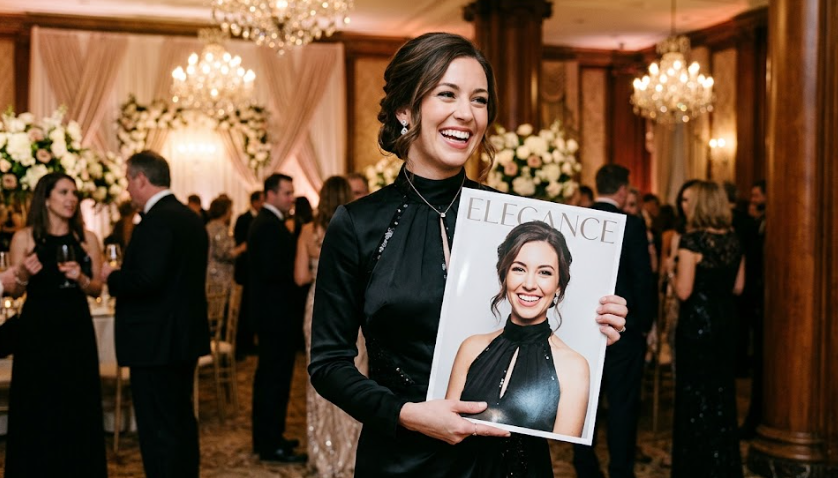
What is the best magazine cover photo booth? It is a glam-style booth that drops each guest’s studio-lit portrait into a custom-designed magazine cover, complete with a personalized masthead, headlines, issue date, and barcode, printed on glossy stock and delivered digitally within seconds. Quality magazine cover booth rentals run 1,000 to 2,500 dollars for three to four hours, and the format thrives at weddings, galas, corporate parties, proms, and milestone birthdays.
The concept works because it borrows a century of visual authority. Magazine covers are designed to stop eyes and declare importance, and putting a guest’s face inside that frame transfers the effect instantly. Let’s dig into what separates a convincing cover from a cheap template, the design principles that make covers land, the print sizes worth ordering, and how to budget the whole experience.
How the Magazine Cover Booth Works
The experience runs on three coordinated layers, and the quality of each one decides whether guests frame the result or forget it.
The portrait layer. Underneath every great cover is a glam-booth capture: studio strobes through softboxes, a seamless backdrop, a professional camera, and editorial skin-smoothing. This layer is non-negotiable, because magazine covers are defined by photographic quality, and a flat, ring-light snapshot inside a cover layout reads as parody rather than glamour. The vogue photo booth was built precisely for this job, pairing true studio lighting with fashion-grade processing so the underlying portrait genuinely earns its masthead.
The design layer. The cover template wraps the portrait: a custom masthead named for the event, headline lines, an issue date matching the celebration, cover lines down the margins, and a barcode for authenticity. Premium systems personalize per guest, dropping names into headlines so every print is one of a kind.
The output layer. Guests receive both a glossy print, sized and weighted like a real cover, and a digital version formatted for feeds and stories, delivered by text before they leave the backdrop. The print becomes the keepsake; the digital becomes the same-night brag.
When all three layers are professional, the booth produces the single most-kept party souvenir in the industry. When any layer is cut, the illusion collapses, which is why the vetting questions below matter more here than with any other format.
Designing a Cover Guests Will Actually Frame
Real magazine covers follow design rules sharpened over decades, and the best booth templates borrow them shamelessly. Whether you are approving a vendor’s proof or art-directing your own, these principles do the work.
The masthead owns the top. The title sits large across the top fifth, in a typeface with personality, and it should be yours: the couple’s surname, the company’s name styled as a publication, the birthday honoree’s nickname. Generic mastheads waste the format’s entire premise, which is that guests star in YOUR magazine.
The face rules the frame. Covers are portraits first, with the subject’s eyes in the upper third and the head overlapping the masthead slightly, a trick real publications use to create depth. Templates that shrink the guest to fit more text have the hierarchy backward.
Headlines sell, briefly. Three to five short cover lines along the margins, witty, specific, and personal where possible: “Inside: The Best Man Speech Everyone’s Quoting.” Personalized headline systems that insert guest names turn good templates into great ones.
Color discipline. Real covers run two or three colors drawn from the photo and event palette. Rainbow templates read as costume; restrained ones read as the genuine article.
The details authenticate. Issue date matching the event, a price, a barcode, a “special edition” banner. These small props are what make people do the double-take, and the double-take is the product.
Hosts wanting the design conversation made easy should simply ask vendors for past cover proofs, since a portfolio of restrained, type-smart templates predicts your result far better than any equipment list.

Print Sizes and Formats Worth Ordering
Magazine cover booths output in several sizes, and the choice shapes both the keepsake’s impact and the package price. Here is the practical menu.
| Format | Dimensions | Feel | Best Use |
| Standard Print | 5×7 inches | Postcard keepsake | High-volume events, favors |
| True Cover Size | 8×10 – 8.5×11 inches | Authentic magazine scale | Weddings, galas, framing |
| Display Poster | 11×17 inches and up | Statement piece | Guest of honor, decor walls |
| Digital Cover | Story and feed ratios | Instant sharing | Every event, included standard |
| Mini / Collectible | 4×6 and card sizes | Trading-card energy | Proms, themed parties |
The 8×10-to-letter-size tier is the sweet spot for most celebrations, since it matches real newsstand scale, fits standard frames, and lands with the full “I’m on a magazine” effect. The 5×7 tier wins at high-volume events where print speed and cost per guest matter, while oversized posters serve best as one or two statement pieces, with the couple’s or honoree’s cover printed large for the welcome table or gift area.
The collectible end of the spectrum keeps growing too, and it shares DNA with the format’s closest cousin, the keepsake card, where the best custom trading card photo booth concept applies the same star-treatment logic at pocket scale, complete with stats and rarity foils, a pairing some events run side by side as “the cover and the card.”
Whichever sizes you choose, confirm glossy heavyweight stock, because the paper is half the illusion. A cover layout on thin matte paper feels like a flyer, while the same file on rigid gloss feels like the newsstand.
Matching the Format to Your Event
The magazine cover concept redesigns itself around nearly any occasion, and a few pairings consistently outperform.
Weddings style the masthead with the couple’s name and the issue date as the wedding date, and the prints quietly replace favors, since guests keep a glossy cover of themselves far longer than any monogrammed trinket. Architecturally elegant venues extend the editorial fantasy into every frame, and historic settings like those in the Wrigley Mansion Phoenix guide give cover portraits the kind of backdrop real fashion shoots scout for.
Corporate events rebrand the cover as the company’s own publication, an annual “people issue” starring employees, and the prints circulate on desks and team channels for months. For conferences, pairing the cover station with a professional headshots setup doubles the value, since the same studio lighting produces both the playful cover and the LinkedIn-grade portrait attendees actually need, one booking serving two jobs.
Milestone birthdays, proms, and galas are the format’s natural habitat, where dress codes meet the cover’s glamour head-on. For events chasing the full celebrity arc, adding a glambot photo booth alongside the cover station completes the red-carpet metaphor, with the robotic arm capturing the cinematic entrance and the cover booth printing the newsstand result.
Across all of them, the digital pipeline matters as much as the print, since covers formatted for stories and delivered by text within seconds are what put your event on feeds the same night, infrastructure the AI photo booth smart features guide covers in detail.

Budgeting the Magazine Cover Experience
Here is how the format prices across event scales, with the configuration choices that matter.
| Event Scale | Sensible Budget | Recommended Configuration |
| Intimate party (under 50) | $1,000 – $1,500 | Core cover booth, one custom design, 8×10 prints |
| Wedding (75-150) | $1,400 – $2,500 | Personalized headlines, cover display wall, dual sizes |
| Corporate event (100-300) | $2,000 – $3,500 | Branded masthead, headshot pairing, full gallery rights |
| Gala or large celebration (200+) | $2,800 – $5,000 | Cover booth plus glambot or motion format for volume |
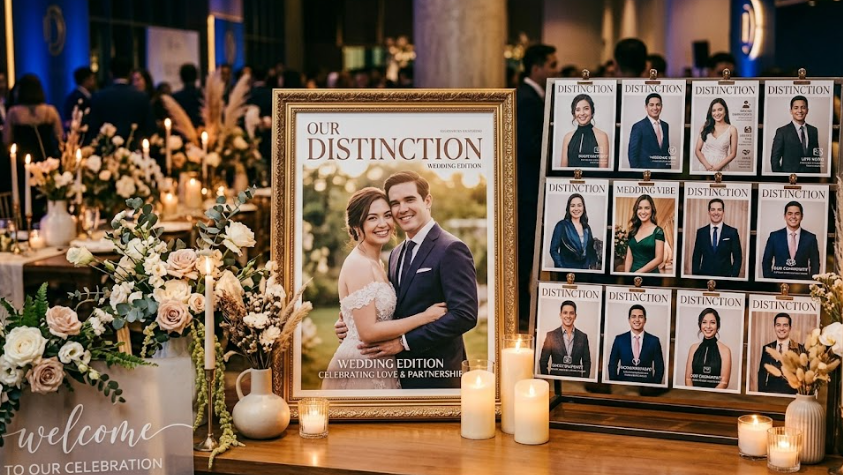
Two budget notes from the field. The cover display wall, where prints accumulate through the night, costs little to add and functions as growing decor, self-advertising for the booth, and a browsing activity all at once, making it the highest-value add-on in the category. And large events should pair the cover station with a faster-cycling format, since editorial portraits run at a deliberate pace, and the pairing bundle typically prices below two separate bookings.
Within total event budgets, the format lands in the standard 10 to 15 percent entertainment range while absorbing the favor budget and part of the decor budget, which makes its effective cost meaningfully lower than its sticker.
Things To Know
A few insider realities will protect your result. First, request the design proof two weeks out, because masthead typography and headline copy deserve a real review round, and rushed templates are where the best magazine cover photo booth experiences slide into generic ones. Second, ask for a physical sample print before booking, since glossy heavyweight stock versus thin paper is the difference between a keepsake and a handout, and vendors proud of their stock mail samples happily. Third, nudge the dress code, as a single “dress for the cover” line on invitations measurably upgrades every portrait in the gallery. Fourth, confirm per-guest personalization capability directly, because systems that insert names into headlines exist at the premium tier and transform the keepsake, while same-text-every-print systems quietly dominate the budget tier. Fifth, coordinate the backdrop with the masthead palette, since a deep red title over a clashing backdrop breaks the editorial illusion, a detail good vendors handle in the proof round. And sixth, book eight to ten weeks ahead for peak Saturdays and December, because glam-equipped inventory, the studio lighting these booths require, sells out first in every market.
Booking the Best Magazine Cover Photo Booth for Your Event
The best magazine cover photo booth gets all three layers right: a studio-lit portrait worthy of a newsstand, a custom-designed masthead that makes the magazine unmistakably yours, and glossy prints heavy enough to feel real, backed by instant digital delivery. Review the proof, feel the paper, ask about personalization, and the booth becomes the rare party expense guests still display years later.
Mihi Entertainment delivers the complete editorial treatment, studio glam capture, custom cover design, dual print sizes, and same-second digital sharing, at weddings, galas, and corporate events across Colorado and nationwide. Name your masthead, set your issue date, and put every guest on the cover they secretly always wanted.
FAQs About Magazine Cover Photo Booths
How to design a good magazine cover?
A good magazine cover leads with a strong portrait, places the masthead large across the top, keeps headlines short and specific, and limits the palette to two or three colors. Put the subject’s eyes in the upper third, let the head slightly overlap the masthead for depth, and add authenticating details like an issue date and barcode. For booth templates specifically, personalize everything possible, the event name in the masthead, guest names in headlines, since personalization is what turns a layout into a keepsake.
What are the latest trends in photo booths?
Current booth trends include magazine cover and editorial glam formats, AI transformations, 360 and bullet time video, audio guestbooks, roaming robot photographers, and collectible keepsakes like trading cards. The unifying thread is personalization plus instant delivery: guests expect output styled to the event and on their phones in seconds. Print is enjoying a genuine revival within the trend, with glossy covers and keepsake cards outperforming digital-only experiences at weddings and milestone events.
What is a magazine photo booth?
A magazine photo booth is a glam-style booth that places each guest’s studio-lit portrait onto a custom magazine cover with a masthead, headlines, issue date, and barcode, delivering glossy prints and digital versions instantly. The format combines professional lighting and editorial processing with a designed template personalized to the event, so guests walk away holding what looks like a real publication starring themselves. It has become a staple at weddings, galas, proms, and corporate celebrations.
Are photo booths still popular?
Yes, photo booths are more popular than ever, ranking among the most-booked entertainment categories for weddings and corporate events, with the industry growing steadily year over year. The format evolved rather than faded: classic enclosed booths gave way to open air glam setups, 360 video, AI experiences, and keepsake formats like magazine covers. Planners consistently cite booths as the entertainment line item guests mention most afterward, which keeps them on budgets even when other extras get trimmed.
What sizes of magazine covers are available?
Booth magazine covers typically print at 5×7 inches for volume, 8×10 to 8.5×11 inches for authentic newsstand scale, and 11×17 inches or larger for statement posters, alongside digital versions in story and feed ratios. The 8×10-to-letter tier is the most popular, matching real magazine dimensions and standard frames. Many packages offer dual sizing, smaller prints for every guest plus oversized covers for the guests of honor, and all professional packages include the digital formats standard.