 Skip to content
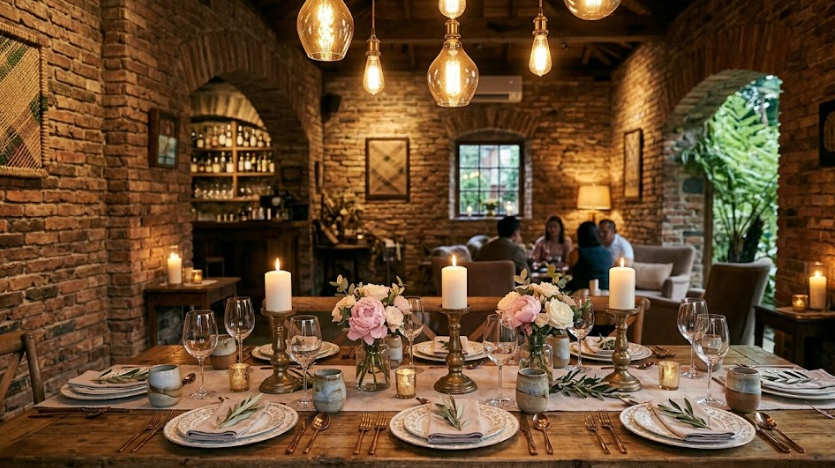
Looking for the best small event venues? The strongest options for gatherings of 20 to 100 guests are private dining rooms, art galleries, breweries and wineries, boutique hotel suites, rooftop terraces, historic homes, and creative studio spaces. The right choice comes down to your guest count, budget, desired atmosphere, and how much food, furniture, and entertainment the space already includes.
Small events live or die on intimacy. A space slightly too large makes 40 guests feel like a poorly attended party, while the right-sized room makes the same 40 people feel like the center of something special. Let’s walk through the venue types that consistently deliver for small events, what they cost, and how to match the space to the occasion.
Why Small Venues Beat Big Ones for Intimate Events
There is a temptation to book impressive square footage and assume the event will grow into it. Experienced planners do the opposite, and the reasoning is worth understanding before you tour anything.
Energy is a density game. A party’s perceived success tracks closely with how full the room feels. Eighty guests in a space built for eighty creates buzz, conversation overflow, and a crowded dance floor. The same eighty guests in a 250-person ballroom scatter into clumps, the dance floor looks abandoned in photos, and the energy never compounds. Right-sizing the room is the cheapest atmosphere upgrade that exists.
Small venues include more. Restaurants, breweries, and galleries hosting intimate events typically bundle furniture, staff, sound systems, and often food and beverage into one bill. Large blank-canvas venues hand you an empty room and a rental checklist. For events under 100 guests, bundled venues almost always cost less per head and demand far fewer planning hours.
Service quality rises as headcount falls. A kitchen plating 60 dinners delivers noticeably better food than one pushing out 300. Bartenders learn names. Coordinators give your event their full attention. Small events buy a level of hospitality that big events can only approximate with money.
The tradeoff is flexibility. Small venues have firmer layouts, fewer rain backups, and tighter vendor rules, which makes the selection process more important, not less.
The Best Small Event Venue Types Compared
Here is how the most reliable small-venue categories stack up on cost, capacity, and what they hand you on day one.
| Venue Type | Typical Capacity | Typical Cost Range | What’s Usually Included |
| Private Dining Room | 10-60 | $500 – $4,000 (often F&B minimum only) | Food, beverage, furniture, staff |
| Brewery / Winery | 30-120 | $500 – $3,500 | Beverage, tables, built-in atmosphere |
| Art Gallery / Museum Room | 30-100 | $1,000 – $5,000 | Striking backdrop, sometimes furniture |
| Rooftop / Terrace | 25-100 | $1,500 – $6,000 | Views, bar setup, some furniture |
| Boutique Hotel Space | 20-100 | $1,000 – $5,000 | Catering, AV, lodging upstairs |
| Historic Home / Mansion | 30-100 | $2,000 – $7,000 | Character, gardens, photo-rich settings |
| Creative Studio / Loft | 20-80 | $800 – $3,000 | Blank canvas, flexible layout |
| Community / Garden Space | 20-100 | $100 – $1,500 | Affordability, outdoor charm |
The private dining room deserves special attention because of how its pricing works. Many restaurants charge no rental fee at all, only a food and beverage minimum, meaning every dollar you spend goes into things your guests actually consume. For dinners, milestone birthdays, and corporate mixers under 60 people, it is routinely the best value in the entire events industry.
Breweries and wineries have surged for a similar reason: the atmosphere is pre-installed. Fermentation tanks, barrel walls, and taproom energy mean you can host a memorable party with almost zero decor spend.

Matching the Venue to the Occasion
The best small event venues for one occasion can be wrong for another, so let the event type lead.
Corporate events and team gatherings do best in spaces with built-in AV, easy parking, and a professional-but-relaxed feel: boutique hotels, galleries, and private dining rooms. If the goal is connection rather than presentation, add an interactive anchor. Teams gather naturally around shared experiences, and something like a 360 photo booth gives colleagues an instant icebreaker and shareable content that outlasts the event itself. For brand activations and client appreciation nights, a video testimonial booth quietly converts a party into a content engine, capturing authentic praise while guests enjoy themselves.
Milestone birthdays and anniversaries shine in venues with personality: rooftops, historic homes, wineries. These celebrations are photo-driven, so prioritize spaces with natural backdrops and good light.
Intimate weddings and receptions under 100 guests open up venue categories that big weddings cannot touch, including restaurant buyouts, garden courtyards, and gallery spaces. The savings against a traditional wedding venue are substantial, and couples often redirect them into food quality and entertainment.
Showers, brunches, and daytime events favor garden spaces, cafes, and lofts with strong natural light. Daytime slots also unlock discounts, since most venues earn their living at night and price weekday mornings and afternoons 30 to 50 percent below Saturday evenings.
Holiday parties and social mixers want energy density above all: breweries, taprooms, and lofts where the bar is central and seating is loose. Standing-room formats let a modest guest list fill a room and keep conversations circulating.
How to Evaluate a Small Venue Before Booking
Small spaces leave less margin for error than large ones, so tour with a sharper checklist.
Confirm real capacity for your format. A room listed at 80 means 80 standing. Seated dinners cut that number nearly in half, and adding a dance floor, DJ table, or entertainment station cuts further. Ask for the capacity in your exact layout, not the brochure number.
Trace the flow. In small venues, one bottleneck ruins circulation. Check where the bar sits relative to the entrance, whether restrooms create lines through the main room, and where coats and gifts will live.
Test the sound. Hard surfaces that look gorgeous, like brick, glass, and concrete, bounce noise brutally at full occupancy. Visit during another event if possible, or ask whether the venue has acoustic treatments and a house sound system with volume zoning.
Ask about power and footprint for entertainment. Small venues often have limited circuits and tight floor plans, so confirm dedicated outlets and clearance before booking experiences. Compact options exist for nearly every space, and browsing the Denver GIF booth guide shows how much guest entertainment now fits into footprints small enough for a loft or taproom corner.
Read the fine print on minimums and curfews. Food and beverage minimums climb steeply on Saturday nights, and residential-adjacent venues like rooftops and historic homes carry early noise curfews that can end a party at 10 p.m.

Budgeting a Small Event by Venue Choice
Venue choice shapes the entire cost structure of a small event. Here is how a 50-guest evening event budget typically distributes across three common venue strategies.
| Budget Line | Restaurant Buyout | Blank-Canvas Loft | Brewery / Taproom |
| Venue / Rental Fee | $0 (F&B minimum $3,000) | $1,500 | $1,000 |
| Food | Included in minimum | $2,000 catered | $1,200 (food trucks or catering) |
| Beverage | Included in minimum | $900 | $1,000 bar package |
| Furniture / Rentals | $0 | $800 | $100 |
| Decor | $200 | $700 | $200 |
| Entertainment / Experiences | $1,200 | $1,200 | $1,200 |
| Approximate Total | $4,400 | $7,100 | $4,700 |
The pattern repeats at almost every guest count: bundled venues compress costs, blank canvases expand them. The loft only wins when total creative control is the actual goal.
Notice that entertainment stays constant across all three strategies, and intentionally so. At small events, entertainment carries disproportionate weight because every guest actually experiences it. A hundred-person experience budget spread across 300 guests dilutes; the same budget at a 50-person event touches everyone. Curated bundles like photo booth sets exist precisely for this math, packaging complementary experiences at a friendlier rate than booking pieces separately. For inspiration on how interactive moments anchor a gathering, the best robot photo booth rental guide and the ultimate fan experience for Super Bowl LIX breakdown both show the same principle at different scales: people remember what they did, not what they looked at.
Things To Know
A few realities of the small-venue market will sharpen your search. First, off-peak timing is the biggest lever, because the same private dining room that requires a 5,000 dollar minimum on Saturday night may ask 1,500 on a Thursday, and weekday corporate-style pricing applies even to personal celebrations. Second, free and nearly free venues genuinely exist, since libraries, community centers, parks, and even some galleries offer low-cost rooms, and restaurants effectively waive rent through minimums you would have spent on food anyway. Third, capacity honesty protects you, because squeezing 95 guests into an 80-person space violates fire code and gives the venue grounds to shut the event down, so build your list before you book, not after. Fourth, insurance requirements surprise many hosts, as smaller venues increasingly require single-event liability policies that cost 100 to 250 dollars and take minutes to buy online. Fifth, load-in logistics matter more in small spaces, since a fourth-floor loft with one elevator changes what caterers and entertainment vendors can bring and how early they need access. And sixth, always ask what the venue’s last event of your type was, because a space that hosted a similar gathering recently will answer your logistical questions from experience rather than optimism.

Choosing the Best Small Event Venues for Your Celebration
The best small event venues share three traits: they fit your guest count snugly, they include more than they exclude, and they carry enough built-in character that your budget funds experiences instead of decoration. Get the room right and everything else, food, flow, and fun, gets easier.
Once your space is booked, fill it with moments worth gathering for. Mihi Entertainment brings interactive experiences sized for intimate venues across Colorado and nationwide, from compact booths that tuck into a taproom corner to showstoppers that anchor a gallery floor. Small room, big memories. That is the whole formula.
FAQs About Small Event Venues
What are some unique venue ideas?
Unique small-venue ideas include art galleries, bookstores, greenhouses, museums after hours, distilleries, historic theaters, botanical gardens, and private estates. The common thread is borrowing built-in character so your budget goes to hospitality instead of decor. Less obvious options worth calling: cooking schools, arcades, rooftop greenhouses, and boutique cinemas. Most price below traditional event spaces simply because events are their side business rather than their main one.
How to get a free venue for an event?
The most reliable free venues are public libraries, community centers, parks, and restaurant private rooms that charge only a food and beverage minimum. Beyond those, consider trading value: businesses like breweries and cafes often waive fees for events that bring guaranteed customers on slow nights, and nonprofits can frequently use partner spaces at no cost. Private homes and HOA clubhouses round out the list. Expect to accept the space mostly as-is, since free venues rarely include staff or setup.
What type of venue is best for a party?
For most parties of 20 to 100 guests, a private dining room or brewery delivers the best combination of atmosphere, value, and low planning effort. Both bundle the expensive essentials, food, drink, furniture, and staff, into one arrangement and bring built-in energy. Choose the restaurant when food quality leads the priority list, and the brewery when a casual, social, standing-room vibe fits the crowd. Rooftops win for milestone moments where the backdrop is the gift.
What event venue type is most popular?
Restaurants and private dining rooms are the most popular small event venue type, followed by breweries, hotels, and galleries. Their dominance comes down to simple economics: no rental fee in most cases, professional staff included, and zero furniture logistics. Industry surveys consistently show restaurant events growing fastest in the under-100-guest category, with breweries and wineries claiming the strongest growth among younger hosts who prioritize atmosphere over formality.
What are the 5 C’s of an event?
The 5 C’s of event planning are Concept, Coordination, Control, Culmination, and Closeout. Concept defines the purpose and vision, coordination covers booking the venue and vendors, control means managing the budget and timeline as details shift, culmination is the event day itself, and closeout covers payments, thank-yous, and reviewing what worked. Small events compress these phases but skip none of them, and the hosts who name a single decision-maker for each phase consistently run the smoothest gatherings.